What does a Relationship Banker do?
A Relationship Banker acts as a bridge between customers and financial services. They focus on building lasting connections with clients, understanding their needs, and offering tailored financial solutions. This includes savings accounts, loans, mortgages, and investment advice. The role demands strong communication skills to explain financial products clearly and answer customer questions confidently.
Relationship Bankers also track financial trends and market conditions to provide the best advice. They often visit clients at home or in their businesses, ensuring personalized service. This position requires a friendly and professional demeanor, attention to detail, and a commitment to customer satisfaction. Successful Relationship Bankers enjoy helping others achieve their financial goals and thrive in a dynamic, customer-focused environment.
How to become a Relationship Banker?
Becoming a Relationship Banker involves several key steps. This career path combines customer service with financial expertise. It's a rewarding choice for those who enjoy building strong, lasting connections with clients. Follow these steps to embark on this fulfilling career.
First, obtain a high school diploma or GED. This is the minimum educational requirement. Next, consider earning a bachelor's degree in business, finance, or a related field. This can open more doors in the banking industry. Gaining experience through internships or entry-level positions in banking can also be very helpful.
- Earn a Degree: A bachelor's degree can boost job prospects and earning potential.
- Gain Experience: Internships or entry-level roles can provide valuable insights into the banking world.
- Develop Skills: Build strong communication, problem-solving, and interpersonal skills.
- Network: Connect with industry professionals through networking events and professional associations.
- Apply for Jobs: Look for Relationship Banker positions at banks and financial institutions.
How long does it take to become a Relationship Banker?
Understanding the path to becoming a Relationship Banker can help those interested in this role. Generally, the journey takes about two to three years. First, one must earn a bachelor's degree. Most degrees are in business, finance, or a related field. This education provides a solid base of knowledge. It covers essential topics like finance, business communication, and customer service.
After gaining a degree, the next step involves entering the workforce. Aspiring Relationship Bankers often start in entry-level positions within banking or financial services. These roles help develop practical skills and industry knowledge. Many institutions also offer on-the-job training. This hands-on experience is crucial for building customer relations and understanding the day-to-day tasks of the job. With dedication and experience, professionals can move into a Relationship Banker role within a few years.
Relationship Banker Job Description Sample
As a Relationship Banker, you will be the primary point of contact for our clients, fostering strong relationships to provide tailored banking solutions. This role involves understanding client needs, promoting bank products, and ensuring a seamless banking experience.
Responsibilities:
- Develop and maintain strong client relationships by understanding their financial needs and providing tailored banking solutions.
- Promote and sell bank products and services, including loans, credit cards, and investment products, to meet client goals.
- Conduct regular meetings with clients to review account activity, discuss financial plans, and identify additional needs.
- Analyze clients' financial situations and recommend appropriate banking products to meet their needs.
- Collaborate with internal departments to ensure clients receive comprehensive and efficient service.
Qualifications
- Bachelor’s degree in Business, Finance, or a related field preferred.
- Proven experience in a sales or customer service role, preferably in the banking or financial sector.
- Strong understanding of banking products and services, including loans, mortgages, investments, and credit products.
- Excellent communication and interpersonal skills to build and maintain client relationships.
- Ability to analyze clients' financial situations and provide tailored solutions.
Is becoming a Relationship Banker a good career path?
Working as a Relationship Banker involves helping clients manage their finances. This role often includes guiding clients on savings, investments, and loans. It demands strong communication skills and a keen understanding of financial products. A Relationship Banker builds lasting connections with clients, understanding their needs and goals.
This career offers several advantages. Relationship Bankers often enjoy a steady income, including bonuses and commissions. They work in a professional environment, often with flexible hours. Networking opportunities abound, as they interact with various clients and colleagues. However, the role also has challenges. Bankers face high expectations and pressure to meet sales targets. The job can be stressful, especially during market fluctuations. Long hours and weekend work are sometimes necessary. Despite these challenges, it remains a rewarding career for those who enjoy helping others and thrive in a dynamic workplace.
Below are some pros and cons to consider:
- Pros:
- Steady income with potential for bonuses and commissions.
- Professional work environment with flexible hours.
- Opportunities to build strong client relationships.
- Cons:
- High expectations and pressure to meet sales targets.
- Potential for long hours, including weekends.
- Stress from market fluctuations and economic conditions.
What is the job outlook for a Relationship Banker?
The job outlook for Relationship Bankers presents a positive scenario for aspiring professionals in the banking sector. According to the Bureau of Labor Statistics (BLS), an average of 40,100 job positions are available annually, offering a stable environment for career growth. This number is expected to increase by 7.4% from 2022 to 2032, indicating a growing demand for skilled Relationship Bankers. The role's stability and the rise in job openings reflect a promising future for those looking to build a career in this field.
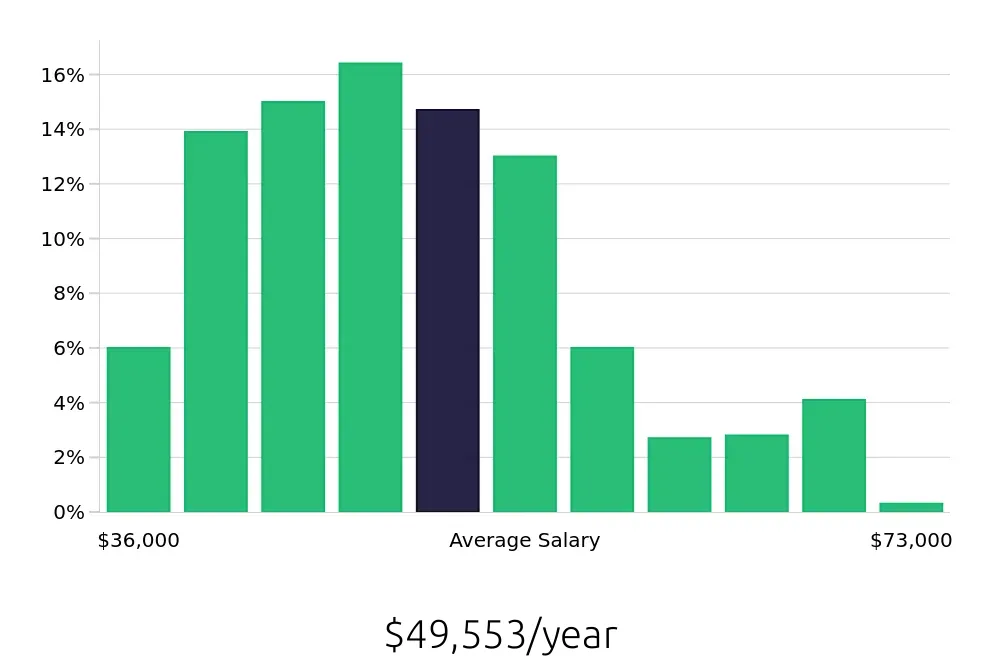
Prospective Relationship Bankers can also look forward to competitive compensation. The BLS reports an average annual salary of $109,710, showcasing the financial rewards that come with the role. Additionally, the hourly compensation stands at $52.75, highlighting the value placed on the skills and services these professionals offer. These figures make the profession attractive to those seeking both job security and a good income.
The role of a Relationship Banker involves building and maintaining strong customer relationships, which is increasingly important in today’s competitive market. This focus on personal interaction and client service ensures that Relationship Bankers remain integral to the banking industry. With a positive job outlook and attractive compensation, this career path is a viable and rewarding choice for many job seekers.
Currently 1,983 Relationship Banker job openings, nationwide.
Continue to Salaries for Relationship Banker