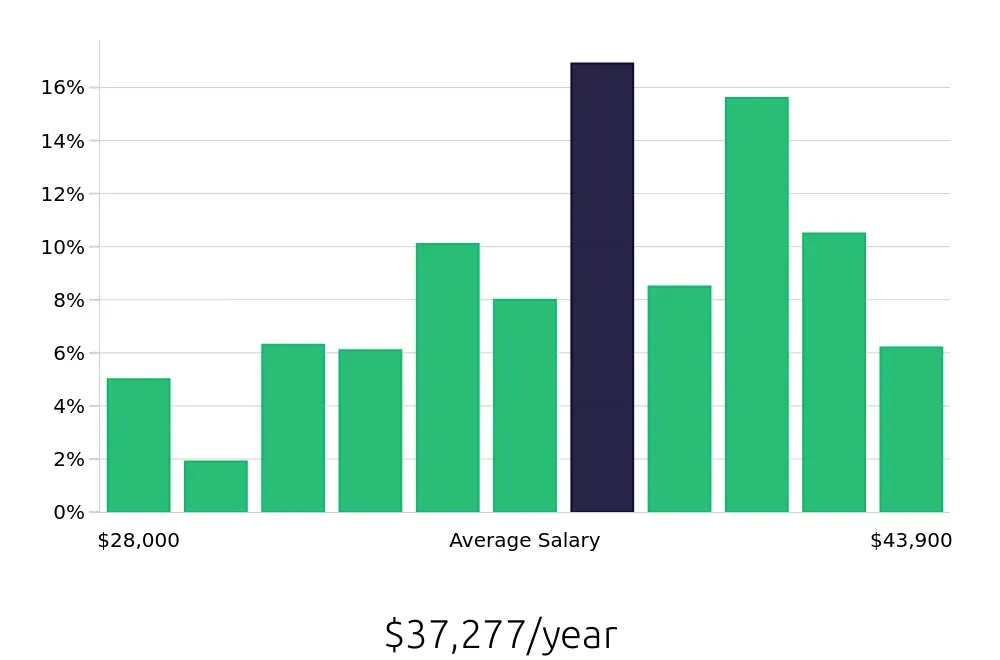
What does a Resident Care Assistant do?
A Resident Care Assistant, often found in healthcare or residential care settings, provides essential support to individuals who need assistance with daily living activities. This role involves direct interaction with residents, ensuring their comfort and well-being. Duties may include helping with bathing, dressing, eating, and moving around. The care assistant also assists with medication reminders and may help with light housekeeping tasks.
In this position, the assistant collaborates with a team of healthcare professionals. They monitor residents' health and report any changes to the care team. This role requires patience, empathy, and a dedication to improving the quality of life for those in care. It’s a rewarding job that makes a significant impact on the lives of the residents. Attention to detail and strong communication skills are crucial for success in this role.
How to become a Resident Care Assistant?
Becoming a Resident Care Assistant can lead to a rewarding career in the healthcare industry. This role allows individuals to provide essential support and care to residents in various settings. Here is an outline of the steps to start this career.
The journey to becoming a Resident Care Assistant often begins with obtaining the necessary education and training. Start by researching programs that offer courses in healthcare, patient care, or related fields. Completing a certified training program provides the foundational skills needed for this role. Gaining hands-on experience through internships or volunteer work in healthcare settings can also be beneficial. Professional certifications, such as a Certified Nursing Assistant (CNA) certification, can enhance job prospects and demonstrate commitment to the profession.
Here are five steps to help guide the process:
- Research and enroll in a certified training program.
- Complete the required coursework and clinical experience.
- Obtain necessary certifications, such as a CNA certification.
- Gain practical experience through internships or volunteer work.
- Apply for Resident Care Assistant positions and start your career.
Following these steps can set the path for a successful career in resident care. With dedication and the right qualifications, individuals can make a meaningful difference in the lives of those they assist.
How long does it take to become a Resident Care Assistant?
Starting a career as a Resident Care Assistant often involves completing a training program. These programs usually range from a few weeks to several months. Programs provide essential skills and knowledge needed to care for residents in nursing homes or assisted living facilities. Courses cover topics like patient care, first aid, and communication skills.
The time needed to complete these programs depends on the level of training. Some programs may offer certificates that take only a few weeks to complete. Others might require more time for comprehensive training. These longer programs often lead to more advanced certifications. Job seekers should consider their career goals when choosing a program. Balancing training with other commitments, like work or family, can also affect the length of the training period.
Resident Care Assistant Job Description Sample
As a Resident Care Assistant, you will play a pivotal role in ensuring the well-being and comfort of residents in a care facility. Your primary focus will be on providing high-quality personal care and support to residents, helping them maintain their dignity and independence.
Responsibilities:
- Assist residents with daily living activities such as bathing, dressing, grooming, and mobility.
- Monitor and record residents' vital signs and report any changes to the nursing staff.
- Engage residents in social and recreational activities to promote their mental and emotional well-being.
- Help residents with meal preparation and ensure they follow their dietary needs and restrictions.
- Assist in the administration of medications as directed by healthcare professionals.
Qualifications
- High school diploma or equivalent required; additional training in healthcare or caregiving preferred.
- Previous experience in a caregiving role, preferably in a residential care setting.
- Strong communication skills and the ability to empathize with residents.
- Basic understanding of medical terminology and knowledge of common health conditions.
- Ability to lift and move residents as needed, with proper training and assistance.
Is becoming a Resident Care Assistant a good career path?
Working as a Resident Care Assistant offers a unique chance to make a difference in people’s lives. These professionals provide essential care and support to individuals living in residential care settings. They help with daily activities, offer companionship, and ensure the well-being of residents. This role is important for those who enjoy helping others and want to work in a caring environment.
Being a Resident Care Assistant has many benefits. You get to build strong relationships with residents, which can be very rewarding. This job allows for teamwork with other healthcare workers, providing a chance to learn from others. You also have the opportunity to grow your skills and possibly move up in the healthcare field. However, it is not without its challenges. The work can be physically and emotionally demanding. Shift work, including nights and weekends, is common. It is important to be ready for a job that requires a lot of patience and empathy.
Here are some pros and cons to consider:
- Pros:
- Helping others feel better and happier.
- Opportunities to learn and grow in your career.
- Working with a team of healthcare professionals.
- Building meaningful relationships with residents.
- Cons:
- Physically and emotionally demanding work.
- Possibly working nights, weekends, and holidays.
- Requires a lot of patience and empathy.
What is the job outlook for a Resident Care Assistant?
The job outlook for Resident Care Assistants is quite promising for those entering the field. The Bureau of Labor Statistics (BLS) reports that there are about 684,600 job positions available each year on average. This steady demand highlights a consistent need for these professionals in various healthcare settings.
Moreover, the BLS projects a significant job openings percent change from 2022 to 2032, with an expected increase of 21.7%. This growth suggests that more opportunities will become available in the coming years, offering potential for career advancement and job stability. With such a positive outlook, this career path can be a reliable choice for job seekers looking for a fulfilling role.
In terms of compensation, Resident Care Assistants can expect an average national annual salary of $33,380, according to the BLS. Additionally, the average national hourly wage stands at $16.05. These figures provide a clear picture of the financial benefits that come with this career, making it an attractive option for those seeking both job security and reasonable earnings.
Currently 145 Resident Care Assistant job openings, nationwide.
Continue to Salaries for Resident Care Assistant