What does a Resident Care Coordinator do?
A Resident Care Coordinator plays a vital role in ensuring the well-being of residents in a healthcare setting. This professional acts as a bridge between residents and healthcare providers. They coordinate care plans and make sure each resident receives the services they need. The coordinator also works with family members to keep them informed about care plans. This position requires strong communication skills and a deep understanding of healthcare services.
Responsibilities of a Resident Care Coordinator include assessing resident needs and developing personalized care plans. They monitor the progress of care and make adjustments as necessary. The coordinator schedules appointments with healthcare providers and ensures residents attend these appointments. They also help residents with daily activities if needed. Excellent organizational skills and the ability to multitask are essential. This role involves working closely with a team of healthcare professionals to provide the best care possible.
How to become a Resident Care Coordinator?
Becoming a Resident Care Coordinator involves a clear process with essential steps to achieve success. This role focuses on providing care and coordination for residents in various settings, ensuring their needs are met effectively. Understanding the path to this rewarding career can help job seekers prepare and succeed.
Here are five key steps to becoming a Resident Care Coordinator:
- Obtain the necessary education: Start with a high school diploma or equivalent. Many employers prefer candidates with a degree in healthcare, social work, or a related field. This provides a solid foundation for understanding patient care and coordination.
- Gain relevant experience: Work in healthcare settings to understand the resident care environment. Volunteer or work in positions like a nursing assistant or social services aide. This experience helps build essential skills and knowledge.
- Complete required training: Some positions require additional training or certification. This can include courses in care coordination, healthcare management, or specific software used in care planning. Certifications can enhance job prospects and qualifications.
- Apply for entry-level positions: Look for roles that offer opportunities to work under experienced care coordinators. These positions help gain practical experience and understand the daily responsibilities of the job.
- Advance in the field: Gain experience and demonstrate your skills. Seek promotions or move to roles with more responsibility. Continuous learning and professional development can lead to advanced positions and greater impact in resident care.
How long does it take to become a Resident Care Coordinator?
To embark on a career as a Resident Care Coordinator, a journey of preparation and education is necessary. Most find that it takes about two to four years to reach this role. This time can vary depending on the path chosen and personal circumstances. Starting with a high school diploma or GED, one can pursue a relevant certificate or associate degree. Programs often include courses in health care, human services, or business.
After completing the educational requirements, gaining practical experience becomes crucial. Many programs include internships or on-the-job training. This hands-on experience helps in understanding the daily tasks and challenges of the role. Networking with professionals in the field can also open up job opportunities sooner. With dedication and the right steps, individuals can successfully transition into this rewarding career.
Resident Care Coordinator Job Description Sample
The Resident Care Coordinator is responsible for ensuring the highest level of care and comfort for residents in a residential care facility. This role involves coordinating care plans, liaising with healthcare providers, and supporting the overall well-being of residents.
Responsibilities:
- Develop and implement individualized care plans for residents based on their health and personal needs.
- Coordinate with healthcare providers, including doctors, nurses, and therapists, to ensure comprehensive care.
- Monitor and document residents' health status and report any changes to the care team.
- Assist residents with daily living activities and ensure their environment is safe and comfortable.
- Facilitate communication between residents, their families, and the care team.
Qualifications
- Bachelor's degree in nursing, social work, or a related field.
- Certification in a relevant field (e.g., Certified Nursing Assistant, Certified Social Worker) is a plus.
- Minimum of 2 years of experience in a resident care or healthcare setting.
- Strong knowledge of healthcare regulations and standards.
- Excellent communication and interpersonal skills.
Is becoming a Resident Care Coordinator a good career path?
A Resident Care Coordinator plays a key role in healthcare. They work in long-term care facilities to manage the care of residents. This role requires strong organizational skills and a caring attitude. Coordinators work closely with doctors, nurses, and other healthcare providers to ensure residents get the care they need. The job focuses on improving the quality of life for each resident.
Choosing this career path has its benefits. A Resident Care Coordinator gets to make a real difference in people’s lives. The job offers a stable and rewarding work environment. It also allows for building close relationships with residents and their families. However, the role comes with challenges. Coordinators often work long hours, including evenings and weekends. The job can be stressful at times due to the high demands of caring for others.
Here are some pros and cons to consider:
- Pros:
- Helping others and making a difference in their lives.
- Stable employment with good job security.
- Opportunities to build strong relationships with residents and their families.
- Cons:
- Long hours, including evenings and weekends.
- High stress levels due to the nature of the work.
- Physical demands of the job can be challenging.
What is the job outlook for a Resident Care Coordinator?
The role of a Resident Care Coordinator offers promising opportunities for job seekers looking to enter the healthcare industry. According to the Bureau of Labor Statistics (BLS), approximately 19,100 job positions open each year in this field. This trend suggests a steady demand for qualified professionals. The BLS projects an 8.3% increase in job openings from 2022 to 2032, indicating a growing need for skilled Resident Care Coordinators.
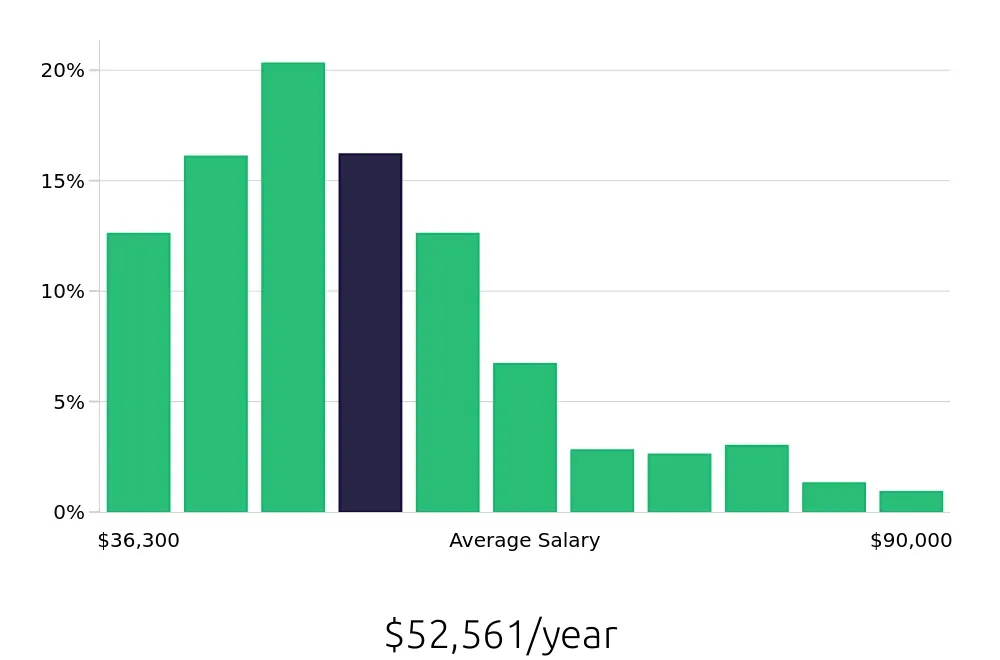
Apart from the job availability, Resident Care Coordinators can look forward to competitive compensation. The BLS reports an average national annual salary of $50,090 for this role. On an hourly basis, the average compensation is $24.08. These figures reflect the value and importance of the work performed by Resident Care Coordinators, making it an attractive career option for those seeking stability and growth in their profession.
In summary, the outlook for Resident Care Coordinators is positive, with a consistent number of job openings and an expected rise in demand over the next decade. Coupled with a competitive salary, this role provides a rewarding career path for job seekers interested in healthcare and patient care.
Currently 214 Resident Care Coordinator job openings, nationwide.
Continue to Salaries for Resident Care Coordinator