Position
Overview
The Restaurant Crew plays a crucial role in ensuring the smooth operation of a restaurant. Members of this team are responsible for various tasks, all aimed at providing a pleasant dining experience for customers. Their duties range from greeting guests to ensuring the dining area is clean and welcoming.
Specific responsibilities may include:
Aspiring to join a restaurant crew can lead to a fulfilling career in the food service industry. This role involves working as part of a team to ensure customers have a great dining experience. Here are steps to begin this career.
First, gaining basic knowledge about the restaurant business is essential. This involves understanding food safety and hygiene standards, as well as the layout and operation of a restaurant. Training programs or classes can provide this foundational knowledge.
The time it takes to start working as a restaurant crew member can vary. Most entry-level positions do not need prior experience. Many restaurants offer on-the-job training for new hires. This means you can learn while working. Training typically lasts a few weeks. During this time, you will learn about kitchen safety, food handling, and restaurant operations.
Some restaurants may prefer candidates with a high school diploma or equivalent. They might also look for those with some experience in customer service or hospitality. If you have this experience, you may find it easier to start your career faster. You might also qualify for more specialized roles. These roles can include positions like line cook, server, or barista. The average time from training to being fully independent in your role often takes about one to three months. This time can depend on the individual’s ability to learn and adapt quickly.
The Restaurant Crew member will be responsible for assisting in all aspects of restaurant operations, including food preparation, customer service, and maintaining a clean and safe dining environment.
Responsibilities:
Qualifications
Working as a member of a restaurant crew can offer a unique blend of experiences and opportunities. This role often involves interacting with customers, preparing food, and maintaining a clean environment. A crew member might handle a variety of tasks, from taking orders to serving meals. This position provides the chance to develop strong communication skills and work well under pressure. Those in this role can learn valuable lessons about teamwork and customer service.
The restaurant industry, however, comes with its own set of challenges. Working in a restaurant often means dealing with long hours, including evenings, weekends, and holidays. Shifts can be unpredictable, which may make it hard to plan personal activities. Additionally, the fast-paced nature of the job can be stressful at times. Despite these challenges, the experience gained in this role can be highly rewarding, offering a solid foundation for career growth in the food service industry.
When considering this career path, it's important to weigh the benefits and drawbacks.
The restaurant industry continues to offer robust job opportunities for those interested in joining restaurant crews. According to the Bureau of Labor Statistics (BLS), approximately 439,300 job positions open up annually for restaurant crew roles. This steady demand reflects the industry's reliance on a consistent flow of new talent to meet customer needs. Job seekers can take advantage of these frequent openings to start or further their careers in the hospitality sector.
Prospective employees can look forward to a positive job outlook. The BLS reports a projected 6.4% increase in job openings for restaurant crew members from 2022 to 2032. This growth suggests a stable career path with ample opportunities for those willing to enter or advance within the field. With more positions available each year, job seekers have a promising environment to find employment and build their professional experience.
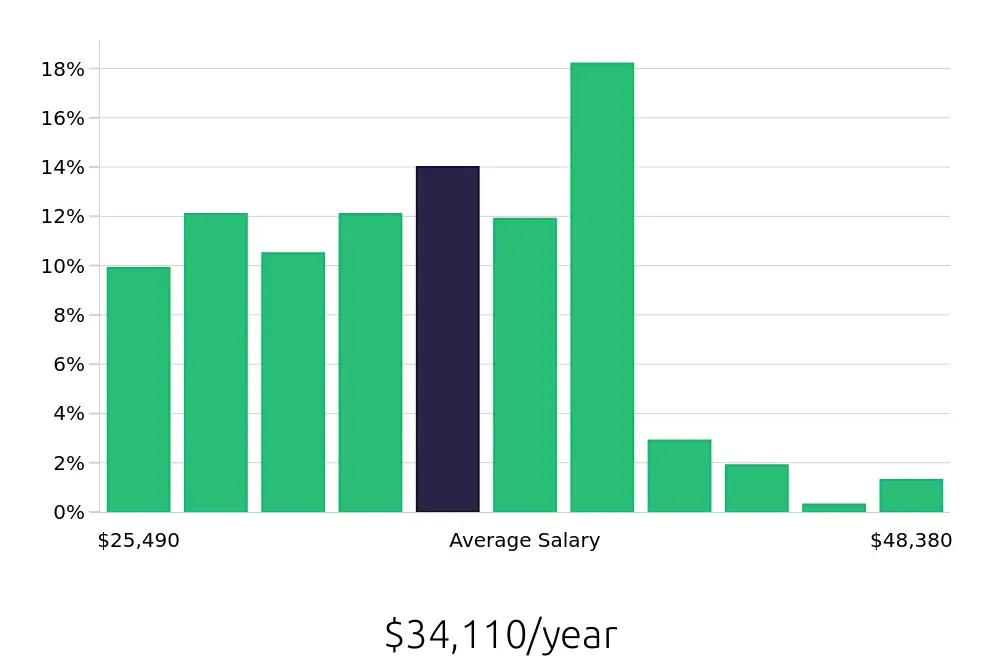
While restaurant crew positions may not always offer the highest salaries, they provide a solid starting point for career growth. The BLS data shows an average national annual compensation of $34,360 and an hourly rate of $16.52. These figures reflect the industry's base pay, which can increase with experience and additional skills. For job seekers, these earnings provide a reliable income while also offering potential for advancement within the restaurant industry.