What does a Reviewer do?
A Reviewer plays an essential role in ensuring the quality and accuracy of various materials. This position involves examining documents, reports, or media to verify their correctness and completeness. Reviewers must be detail-oriented and have strong analytical skills. They check for errors, inconsistencies, and adherence to standards. Reviewers may work in a variety of fields such as publishing, education, or legal.
Responsibilities often include reading and interpreting content to ensure it meets organizational standards. Reviewers might also provide feedback to content creators on how to improve their work. They work closely with editors and other professionals to maintain high-quality outputs. Attention to detail, critical thinking, and the ability to communicate clearly are key skills for this role. Reviewers help ensure that the information they evaluate is reliable and ready for publication or use.
How to become a Reviewer?
Becoming a reviewer can be a rewarding career choice. Reviewers analyze and evaluate products, services, or content. They provide insights and feedback that help others make informed decisions. The process to become a reviewer involves a few key steps.
First, gain relevant experience and expertise in your chosen field. This could be through education, personal experiences, or previous work. For example, if you want to review books, then read a lot and develop your understanding of literature. If you plan to review electronics, then study the field and keep up with the latest trends.
Next, build a portfolio to showcase your skills and expertise. This could include writing reviews, contributing to blogs, or participating in online forums. Highlight your ability to provide detailed and thoughtful feedback. A strong portfolio demonstrates your capability to potential employers.
- Research job openings in your area of interest.
- Prepare a resume that outlines your skills and experience.
- Apply for positions that match your qualifications.
- Network with professionals in the field.
- Stay updated with industry trends and continue to improve your skills.
Networking plays a crucial role in this process. Connect with other reviewers and professionals in your field. Attend industry events, join online communities, and participate in discussions. Building relationships can open up opportunities and provide valuable insights.
How long does it take to become a Reviewer?
Interested in a reviewing career? Understanding the time it takes to become a reviewer can guide your path. Typically, it may take several years to gain the necessary skills and experience. This timeline varies based on the field of review.
A general review path begins with a relevant degree, often in journalism, literature, or a related field. This education can take about four years. After graduation, gaining experience through internships or entry-level jobs helps build expertise. Many reviewers spend a few years in these roles, learning about the industry and developing a critical eye. With enough experience, professionals can move into full-time reviewing roles. The total time to reach this point often ranges from five to ten years. Gaining a reputation in a niche can take even longer.
Patience and persistence are key in this career. Each step builds the knowledge and skills needed for success. Focus on continuous learning and networking within the industry. This effort will pave the way to a rewarding reviewing career.
Reviewer Job Description Sample
We are seeking a meticulous and detail-oriented Reviewer to join our team. The Reviewer will be responsible for assessing and evaluating various documents, materials, and content to ensure accuracy, consistency, and compliance with established standards and guidelines.
Responsibilities:
- Review and assess documents, materials, and content for accuracy, completeness, and adherence to guidelines.
- Identify and correct errors, inconsistencies, or inaccuracies in the reviewed materials.
- Provide constructive feedback and recommendations to authors or creators to improve the quality and clarity of the content.
- Ensure that all reviewed materials meet the organization's standards, policies, and regulatory requirements.
- Collaborate with authors, editors, and other team members to ensure timely and high-quality production of reviewed materials.
Qualifications
- Bachelor's degree in a relevant field (e.g., English, Journalism, Communications, or related discipline).
- Proven experience as a reviewer, editor, or similar role.
- Strong attention to detail and a keen eye for accuracy and consistency.
- Excellent written and verbal communication skills.
- Ability to provide constructive feedback and work collaboratively with others.
Is becoming a Reviewer a good career path?
Reviewing can be an exciting career path for those who love to analyze, critique, and provide feedback. Reviewers assess the quality of various products, services, or media. They can work in many industries, including books, movies, software, and more. This role gives the chance to share opinions and influence consumer choices. A reviewer needs to have strong communication skills and a good eye for detail.
Choosing to work as a reviewer has its own set of advantages and disadvantages. Understanding these can help someone decide if this career is right for them. Let's look at some pros and cons.
Reviewers enjoy several benefits:
- Diverse Opportunities: Reviewers can work in many fields, from tech to entertainment.
- Flexible Hours: Many reviewers work independently, allowing for a flexible schedule.
- Influence: Good reviews can boost a product's popularity and sales.
However, reviewers also face challenges:
- Subjective Work: Reviews can be very personal, and not everyone will agree with your opinion.
- Potential Criticism: Negative feedback can lead to backlash from those being reviewed.
- Earning Potential: Freelance reviewers may not earn a steady income.
What is the job outlook for a Reviewer?
Job seekers interested in becoming a Reviewer can look forward to a steady job market. According to the Bureau of Labor Statistics (BLS), there are around 16,500 job positions available each year. This outlook is promising for those entering the field. The BLS also projects a 1.2% increase in job openings from 2022 to 2032, indicating a positive trend in job availability. With these numbers, the role of a Reviewer remains a reliable career choice.
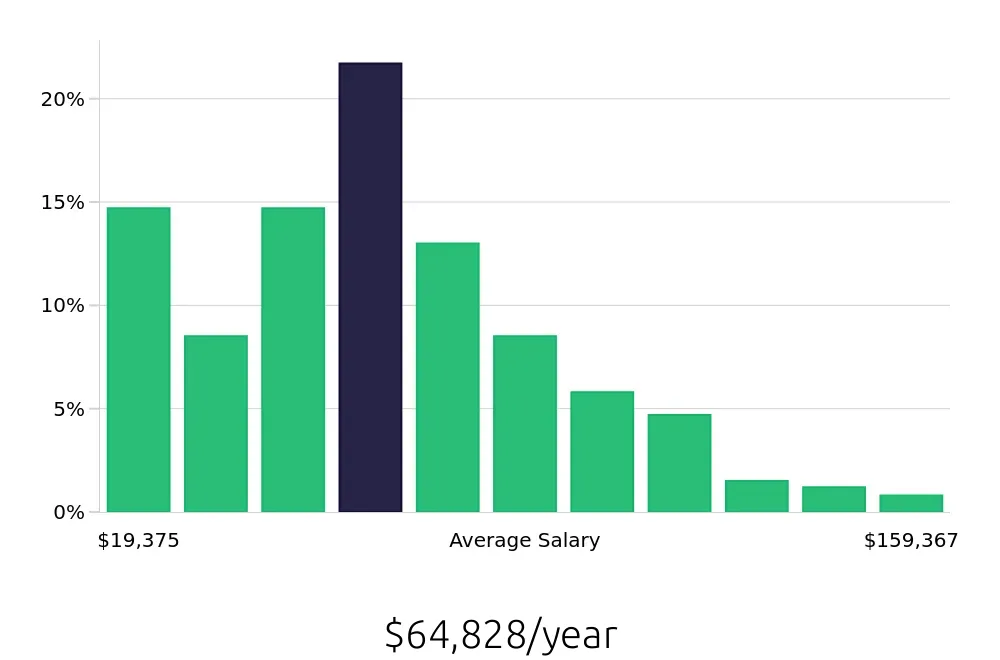
Reviewers typically enjoy a competitive salary. The BLS reports an average national annual compensation of $60,900. This figure reflects the value placed on the skills and expertise required in this profession. Additionally, the average national hourly compensation stands at $29.28, showcasing the financial rewards that can come with this career path. These statistics make the role of a Reviewer attractive to those seeking both job security and fair remuneration.
In summary, the job outlook for Reviewers is favorable. With around 16,500 positions opening each year and a projected growth of 1.2% over the next decade, the field offers stability and opportunities. Combined with a solid average salary, this career presents a compelling choice for job seekers. For those interested in pursuing a career as a Reviewer, these trends highlight a bright and promising future.
Currently 248 Reviewer job openings, nationwide.
Continue to Salaries for Reviewer