What does a Risk Management Manager do?
A Risk Management Manager oversees strategies to identify, assess, and mitigate risks within an organization. This role ensures that potential threats are minimized, helping the company achieve its goals without unnecessary setbacks. The Risk Management Manager leads the development and implementation of risk management plans.
Responsibilities may include conducting risk assessments, developing risk mitigation strategies, and training staff on risk management practices. This professional must stay updated on industry trends and regulatory changes that could impact the organization. They work closely with other departments to integrate risk management into daily operations. The goal is to protect the company's assets, reputation, and overall stability. By effectively managing risks, the Risk Management Manager plays a crucial role in the organization's success.
How to become a Risk Management Manager?
Becoming a Risk Management Manager involves several key steps. It requires dedication and strategic planning. Start by understanding the role and responsibilities. This position focuses on identifying, analyzing, and mitigating risks that could impact a company’s operations.
To embark on this career path, follow these steps:
- Get a Relevant Education: Begin with a degree in business, finance, or a related field. This provides a solid foundation.
- Gain Experience: Work in roles that involve risk assessment or analysis. Experience in areas like finance, insurance, or project management is valuable.
- Develop Key Skills: Focus on skills like analytical thinking, problem-solving, and communication. Proficiency in risk assessment tools and software is also important.
- Get Certified: Consider certifications such as the Professional Risk Manager (PRM) or the Certified Risk Management Professional (CRMP). These can enhance your credentials.
- Network and Apply: Connect with professionals in the field. Attend industry events and apply for positions that match your skills and experience.
By following these steps, you can set yourself up for success in becoming a Risk Management Manager. This role is crucial in helping organizations navigate uncertainties and safeguard their assets.
How long does it take to become a Risk Management Manager?
The path to becoming a Risk Management Manager involves a series of steps. Typically, individuals need a bachelor’s degree in business, finance, or a related field. This foundational education often takes about four years. Many also pursue further education, such as a master’s degree or a professional certification like the Certified Risk Manager (CRM) or the Financial Risk Manager (FRM). These additional qualifications can add another one to two years to the journey.
Experience plays a crucial role in this career. Aspiring Risk Management Managers often start in entry-level roles within the finance or insurance sectors. They gain practical skills and insights over several years, usually between three to five years. This hands-on experience is essential for understanding the complexities of risk management. Gaining such experience often leads to promotions or more specialized roles. Employers typically look for candidates with significant experience before considering them for managerial positions.
Risk Management Manager Job Description Sample
The Risk Management Manager is responsible for identifying, analyzing, and mitigating risks that could impact the organization's operations, finances, and reputation. This role requires a strategic thinker who can develop and implement risk management policies, procedures, and controls to safeguard the organization's assets and ensure compliance with regulatory requirements.
Responsibilities:
- Develop, implement, and maintain risk management policies, procedures, and controls.
- Conduct risk assessments to identify potential risks and vulnerabilities across the organization.
- Analyze data to identify trends and develop strategies to mitigate identified risks.
- Collaborate with various departments to ensure risk management practices are integrated into business processes.
- Monitor and report on risk management activities, providing insights and recommendations to senior management.
Qualifications
- Bachelor's degree in Business Administration, Finance, Risk Management, or a related field. A Master's degree or relevant certification (e.g., ARM, FRM) is preferred.
- Minimum of 5-7 years of experience in risk management, preferably in a senior role.
- Proven experience in developing and implementing risk management frameworks and strategies.
- Strong analytical skills with the ability to analyze complex data and identify potential risks.
- Excellent communication and interpersonal skills, with the ability to work effectively with stakeholders at all levels.
Is becoming a Risk Management Manager a good career path?
The career path of a Risk Management Manager involves assessing, identifying, and mitigating potential risks within an organization. This role is critical in helping businesses avoid financial losses and maintain operational integrity. A Risk Management Manager typically starts with a degree in finance, business, or a related field, often gaining experience in roles like financial analyst or auditor. Over time, they can advance to senior positions, eventually leading risk management teams and reporting directly to senior executives.
Working as a Risk Management Manager offers several benefits. First, it provides a stable career with a strong demand in nearly every industry. Managers often enjoy competitive salaries and opportunities for career growth. They also get to work closely with top management, influencing major decisions. However, the role comes with its own set of challenges. Risk Management Managers face high-pressure situations, often needing to make tough decisions quickly. The job can be stressful, especially during crises when organizations are under scrutiny. Additionally, staying current with regulations and industry standards requires continuous learning.
Consider these pros and cons when exploring this career:
- Pros:
- Strong demand across industries.
- Competitive salaries.
- Opportunities for career advancement.
- Influence on major organizational decisions.
- Cons:
- High-pressure situations.
- Potential for high stress.
- Continuous need for professional development.
What is the job outlook for a Risk Management Manager?
The job outlook for Risk Management Managers is strong, making this an attractive career path for professionals. The Bureau of Labor Statistics (BLS) reports an average of 61,300 job positions available each year. This high demand shows that companies value skilled Risk Management Managers. With job openings expected to increase by 8.2% from 2022 to 2032, the field continues to grow. This growth reflects the need for experts who can protect organizations from financial losses and other risks.
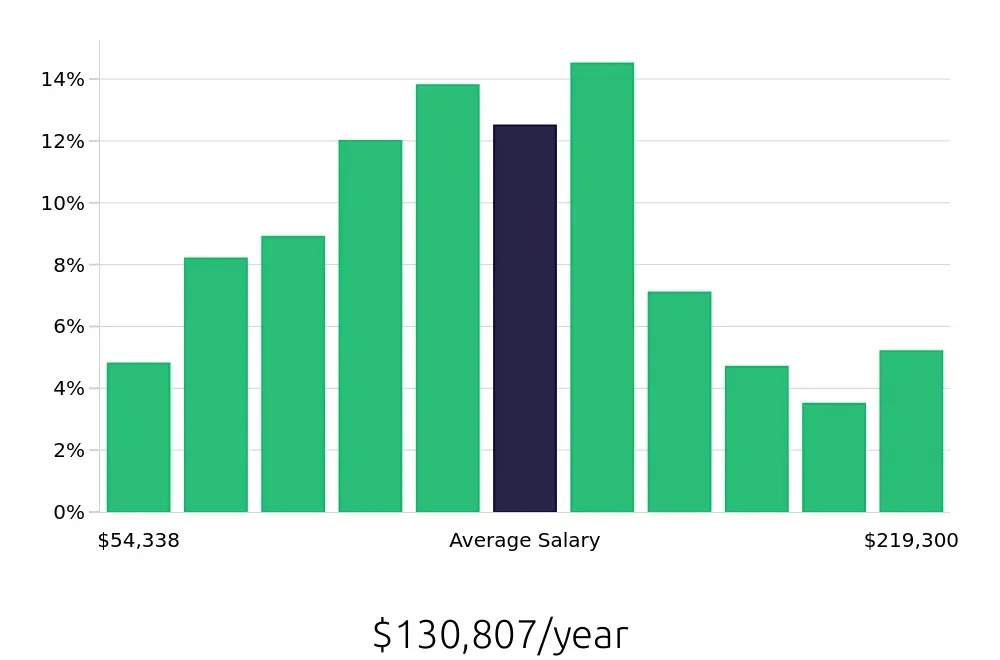
Risk Management Managers enjoy competitive compensation. According to the BLS, the average national annual salary is $123,330. This figure highlights the financial rewards that come with experience and expertise in risk management. Hourly compensation averages $59.29, further underscoring the value placed on these professionals. This attractive pay makes the field a worthwhile pursuit for job seekers. Those who develop the necessary skills will find themselves in a rewarding career.
The growing job market and solid compensation make this an excellent career choice. Risk Management Managers can expect a stable and lucrative career. With the demand for skilled professionals on the rise, now is the perfect time to pursue this path. Job seekers who invest in their education and experience will find many opportunities available.
Currently 158 Risk Management Manager job openings, nationwide.
Continue to Salaries for Risk Management Manager