What does a Route Sales Driver do?
A Route Sales Driver plays a crucial role in delivering goods and services directly to customers. This position involves driving a vehicle to various locations to ensure timely delivery of products. The Route Sales Driver must follow a carefully planned route to maximize efficiency and minimize delays. They handle a variety of items, often checking inventory to ensure everything is in order. This job is essential for keeping the supply chain smooth and ensuring customers receive their orders on time.
In addition to driving and delivering, a Route Sales Driver also provides customer service. They may interact with clients to confirm deliveries, provide information about products, and handle any issues that may arise during delivery. This role requires attention to detail to ensure that each delivery is accurate and timely. Route Sales Drivers also keep records of deliveries and report any issues to their supervisor. This position demands punctuality, reliability, and excellent communication skills. It plays a vital part in the success of a business’s distribution process.
How to become a Route Sales Driver?
Becoming a Route Sales Driver can lead to a rewarding career in the logistics and sales industry. This role combines the thrill of travel with the satisfaction of helping businesses succeed. By following a few key steps, job seekers can pave their way to this exciting career.
First, understanding the role is essential. Route Sales Drivers travel to various locations to deliver products and services. They often work with businesses, delivering goods to retail stores or other outlets. This job demands excellent driving skills and a good understanding of sales techniques.
- Get a Commercial Driver's License (CDL): Start by obtaining a CDL. This step is crucial as it allows you to drive larger vehicles needed for sales routes.
- Gain Experience: Work in related jobs to gain experience. This could be driving, delivery, or sales. Experience helps you understand the industry better.
- Learn Sales Skills: Develop your sales skills. Understanding how to pitch products and close deals is vital. Many companies offer training for this.
- Apply for Jobs: Search for Route Sales Driver positions. Use job boards, company websites, and networking. Tailor your resume to highlight your relevant experience.
- Network: Connect with professionals in the industry. Attend job fairs and join online groups. Networking can lead to job opportunities and valuable advice.
How long does it take to become a Route Sales Driver?
Entering the route sales driver field offers a unique blend of independence and routine. Typically, it takes about one to three years to gain the necessary skills and experience for a career in this sector. Many companies provide on-the-job training programs that cover specific sales techniques and company policies. This hands-on experience proves crucial for success in the role.
During the initial period, drivers usually work closely with experienced colleagues. This mentorship helps new drivers understand the daily tasks and challenges they will face. Many drivers start by managing smaller routes. As they gain confidence and competence, they can take on larger and more complex routes. This gradual progression allows for a smoother transition into the full responsibilities of the job.
Route Sales Driver Job Description Sample
The Route Sales Driver is responsible for delivering sales materials and products to customers along a designated route. This role involves maintaining customer relationships, promoting products, and ensuring timely and accurate delivery of sales orders.
Responsibilities:
- Deliver sales materials and products to customers along a designated route on a daily basis.
- Maintain accurate records of deliveries and customer interactions.
- Promote and sell products to customers and provide excellent customer service.
- Ensure timely and accurate delivery of sales orders.
- Maintain and clean the vehicle in accordance with company policies.
Qualifications
- High school diploma or equivalent required; additional education or training in sales or related fields is a plus.
- Valid driver’s license with a clean driving record.
- Previous sales experience or experience in a customer-facing role is preferred.
- Strong communication and interpersonal skills.
- Ability to work independently and manage time effectively.
Is becoming a Route Sales Driver a good career path?
A career as a Route Sales Driver offers a blend of independence and interaction. It involves driving a vehicle to deliver goods and services to various locations. This job often requires selling products directly to customers or businesses. Companies in retail, logistics, and manufacturing typically hire Route Sales Drivers. The role demands a valid driver's license and often a clean driving record.
This career path has its own set of advantages and challenges. On one hand, Route Sales Drivers enjoy the freedom of a flexible schedule. They often have control over their daily work hours. Drivers also get to experience different parts of the community. They interact with a variety of people, which can be very rewarding. However, the job also comes with its downsides. It requires long hours on the road, which can be tiring. Drivers must also handle the stress of meeting sales targets and maintaining customer satisfaction. Additionally, they need to stay updated on market trends and competition.
Consider these pros and cons before pursuing this career:
- Pros:
- Flexible schedule
- Variety of interactions
- Independence
- Cons:
- Long hours on the road
- Sales pressure
- Customer service demands
What is the job outlook for a Route Sales Driver?
The job outlook for Route Sales Drivers is promising for job seekers in this field. According to the Bureau of Labor Statistics (BLS), there are about 445,000 positions available each year, showing a steady demand for this role. This outlook is even more encouraging with a projected 6.8% increase in job openings from 2022 to 2032. The growing need for delivery services and retail sales contributes to this positive trend.
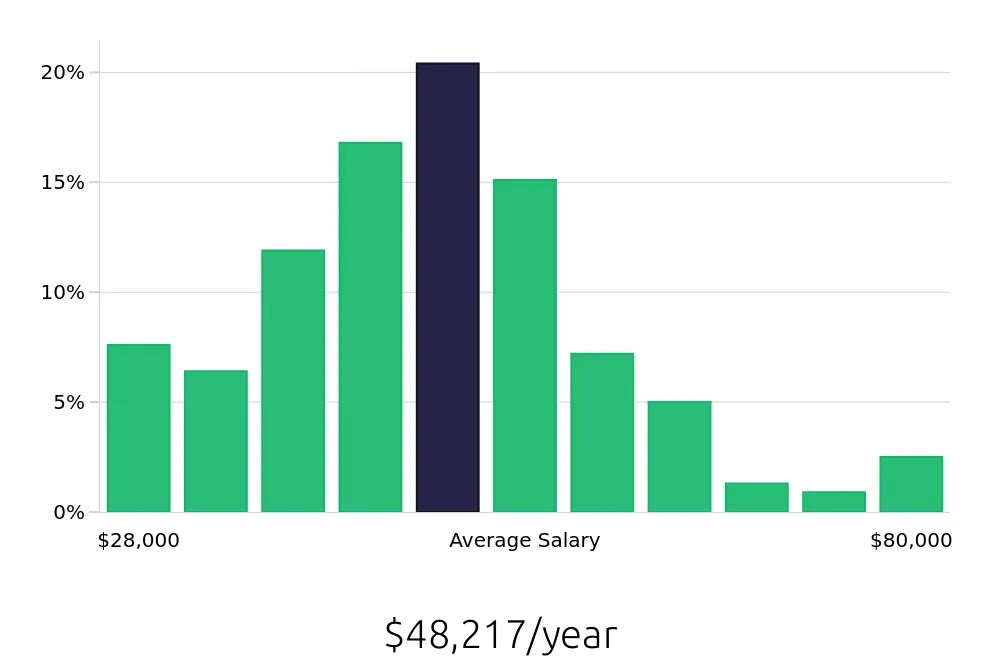
Route Sales Drivers enjoy a competitive average annual salary of $50,810, as reported by the BLS. This figure reflects the value employers place on drivers who can efficiently deliver goods and services across various routes. The hourly rate stands at $24.43, offering a clear financial incentive for those considering this career path. These figures make the role attractive to individuals seeking a stable and rewarding job in the transportation and logistics industry.
Job seekers can also expect to find a variety of opportunities in different sectors, including retail, food services, and pharmaceuticals. This versatility allows drivers to choose roles that best match their skills and preferences. The combination of a healthy job outlook, solid compensation, and diverse opportunities makes Route Sales Driver a compelling choice for anyone in the job market.
Currently 343 Route Sales Driver job openings, nationwide.
Continue to Salaries for Route Sales Driver