Position
Overview
A Sales Clerk plays a vital role in the retail industry. They assist customers in finding products and provide information about items. Sales Clerks help customers make purchasing decisions. They also handle transactions, ensuring accuracy and efficiency. Sales Clerks often stock shelves and maintain the store’s appearance. They work in various retail environments, including clothing stores, electronics shops, and grocery stores.
Sales Clerks interact with customers daily. They greet shoppers and answer questions about products. They also process returns and exchanges. Sales Clerks often work in teams. They must communicate well with colleagues and managers. This role requires a friendly and helpful attitude. Sales Clerks need to be knowledgeable about the products they sell. They should stay updated on new arrivals and promotions. This position offers opportunities to develop customer service skills and gain experience in retail.
Becoming a Sales Clerk is a rewarding career path that offers many opportunities for growth and development. This role involves interacting with customers, managing inventory, and processing transactions. It is a position that requires a friendly demeanor, strong communication skills, and a keen eye for detail. Here is a clear outline to guide someone through the process of becoming a Sales Clerk.
The journey to becoming a Sales Clerk typically involves several key steps. Each step is designed to build the necessary skills and experience. Following these steps can help ensure a successful transition into this role. Below are the essential steps to consider:
The journey to becoming a Sales Clerk often begins with a high school diploma or a GED. This foundational step sets the stage for further education and training. Many Sales Clerks complete a short-term training program, which can range from a few weeks to a few months. These programs cover essential skills such as customer service, cash register operations, and inventory management.
Some Sales Clerks choose to enhance their qualifications by pursuing a postsecondary certificate in retail management. This additional training can provide a competitive edge in the job market. The time it takes to complete these programs varies, but most can be finished in a matter of months. With the right combination of education and experience, individuals can quickly step into the role of a Sales Clerk and start their career in the retail industry.
We are seeking a dynamic and customer-focused Sales Clerk to join our team. The ideal candidate will be responsible for providing excellent customer service, managing transactions, and maintaining a clean and organized sales floor.
Responsibilities:
Qualifications
A Sales Clerk plays a vital role in retail environments. They interact with customers, manage transactions, and sometimes assist with inventory. This role offers a direct connection with customers, making it a great choice for those who enjoy face-to-face interactions. Sales Clerks often work in busy stores, which keeps the day dynamic and engaging.
Working as a Sales Clerk has its own set of advantages and challenges. Consider these points before pursuing this career path. Here are some pros and cons to think about:
Sales clerks play a vital role in the retail industry, ensuring customers have a smooth shopping experience. The Bureau of Labor Statistics (BLS) reports that there are approximately 581,200 job positions available each year for sales clerks. This steady demand highlights the ongoing need for skilled professionals in this field. Job seekers can find numerous opportunities across various retail sectors, from clothing stores to grocery shops.
While the job outlook for sales clerks is stable, the BLS predicts a slight decrease of 10.4% in job openings from 2022 to 2032. This change reflects broader trends in the retail industry, including the rise of e-commerce and automation. Despite this, sales clerks remain essential in providing customer service and managing in-store operations. Job seekers should stay informed about industry changes and adapt their skills to meet new demands.
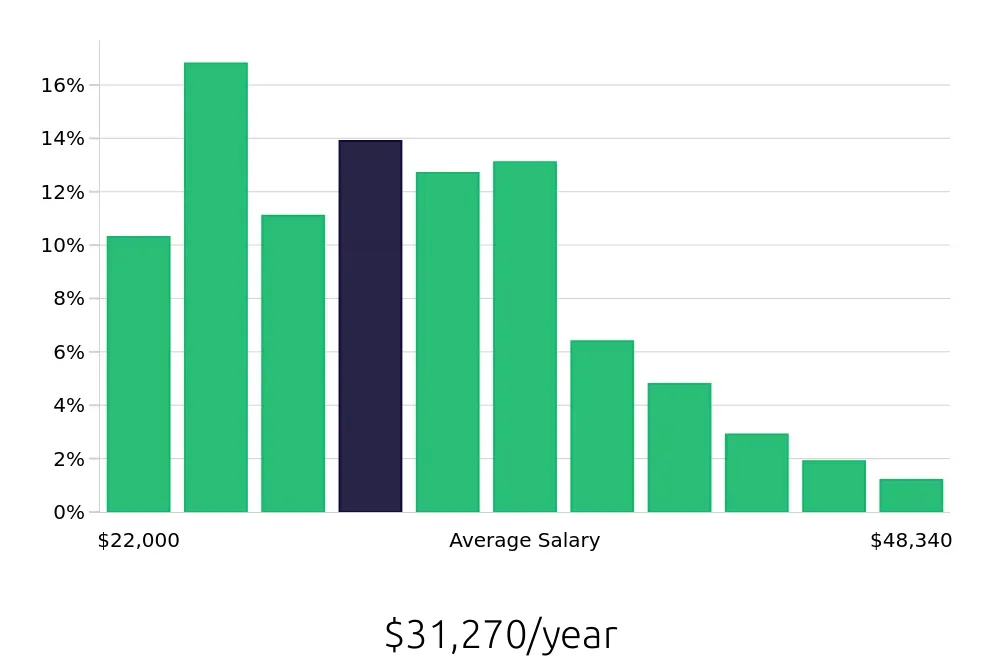
The average national annual compensation for sales clerks is $30,750, with an hourly rate of $14.78, according to the BLS. This compensation reflects the entry-level nature of the role but offers potential for growth with experience and additional skills. Sales clerks can also benefit from part-time and full-time positions, providing flexibility for those balancing work and other commitments. Job seekers should consider these factors when exploring opportunities in this field.