What does a Screener do?
A Screener plays a crucial role in any organization by conducting initial assessments to identify qualified candidates for positions. This role involves reviewing resumes, cover letters, and application materials to ensure they meet the job's requirements. The Screener also schedules interviews and communicates with candidates to keep them informed about the next steps in the hiring process. Attention to detail is key, as this position requires accurately matching applicant qualifications with job descriptions.
The Screener also collaborates closely with hiring managers and HR professionals to understand the needs of open positions. They often need to manage multiple applications and prioritize them based on urgency and fit. Effective communication skills are vital, as the Screener interacts with candidates from various backgrounds. This role is dynamic, requiring adaptability to handle different types of applications and maintain a smooth workflow. The Screener ensures that the hiring process is fair and efficient, ultimately contributing to successful team building within the organization.
How to become a Screener?
Becoming a screener can be a rewarding career choice. A screener plays a crucial role in various industries by evaluating materials, candidates, or processes. The role often involves sorting and categorizing items to ensure quality and efficiency. To embark on this career, follow a structured process that sets you up for success.
The path to becoming a screener involves several key steps. Understanding these steps can help job seekers prepare and advance in this field. Here are five essential steps to guide you through the process:
- Research the Role: Start by learning about what a screener does. Understand the responsibilities and skills needed. Look into different industries where screeners are in demand, such as manufacturing, recruitment, or media.
- Gain Relevant Experience: Look for opportunities to gain experience. This could be through internships, volunteer work, or entry-level jobs. Experience will help you understand the job's demands and improve your skills.
- Develop Key Skills: Focus on building skills that are important for screeners. These include attention to detail, organization, and the ability to work quickly and accurately. Practice these skills in your daily tasks.
- Obtain Certifications: Some employers may require or prefer candidates with certifications. Look for courses or certifications that align with your industry. Certifications can boost your resume and show your commitment to the role.
- Network and Apply: Connect with professionals in the field. Attend industry events, join professional groups, and use online platforms like LinkedIn. When you find job openings, apply promptly and tailor your resume to highlight your relevant skills and experience.
How long does it take to become a Screener?
Starting as a screener requires dedication and the right mix of skills. This role involves checking materials for quality or safety. Companies often look for people who pay close attention to detail and can handle repetitive tasks. Most screeners begin with on-the-job training, which helps them learn the specific needs of their company. This training can last from a few weeks to a couple of months, depending on the industry and the complexity of the job.
To excel in this role, screeners may need additional skills. Some employers offer further training. Certifications in quality control or safety can help, too. These programs typically take anywhere from a few months to a year. They teach important skills like how to use specialized equipment and follow safety rules. Completing these steps ensures screeners are well-prepared for their tasks. Many find that investing this time pays off with better job opportunities and higher pay over time.
Screener Job Description Sample
We are seeking a detail-oriented and efficient Screener to join our team. The Screener will be responsible for evaluating candidates based on predefined criteria to ensure they meet the necessary qualifications and competencies for our organization. This role involves conducting initial assessments, reviewing applications, and providing feedback to hiring managers.
Responsibilities:
- Conduct thorough initial screenings of job applicants to assess their qualifications and fit for the position.
- Review resumes, cover letters, and other application materials to identify candidates who meet the job requirements.
- Utilize various screening tools and techniques to evaluate candidates' skills, experience, and cultural fit.
- Prepare detailed screening reports and provide feedback to hiring managers based on candidate evaluations.
- Maintain accurate records of screening activities and ensure all documentation is up-to-date and compliant with company policies.
Qualifications
- Bachelor’s degree in Human Resources, Business Administration, or a related field is preferred.
- Proven experience in recruitment, screening, or human resources roles.
- Strong attention to detail and the ability to accurately assess candidate qualifications.
- Familiarity with applicant tracking systems (ATS) and other recruitment tools.
- Excellent communication and interpersonal skills to effectively interact with candidates and hiring teams.
Is becoming a Screener a good career path?
A career as a screener offers a unique blend of responsibility and opportunity. This role involves reviewing applications, resumes, and other materials to find the best candidates for a position. Screeners often work in human resources or recruitment, making it a crucial part of the hiring process. This job demands attention to detail and good judgment, as screeners make important decisions about who gets a chance to interview.
Screening can be both rewarding and challenging. On the positive side, screeners help companies find the best talent, contributing to team success. They develop skills in analysis and decision-making. Plus, screeners often work in a fast-paced environment, which can be exciting. However, this job also has its challenges. Screeners face high expectations and must handle large volumes of applications. The role can be repetitive, requiring careful attention throughout the screening process.
When considering this career path, think about the following pros and cons:
- Pros:
- Helps companies find the best talent.
- Develops skills in analysis and decision-making.
- Fast-paced and dynamic work environment.
- Cons:
- High expectations and pressure.
- Must handle large volumes of applications.
- The role can be repetitive.
What is the job outlook for a Screener?
Looking to become a screener? This career path offers a stable job outlook with steady opportunities. The Bureau of Labor Statistics (BLS) reports an average of 101,300 job positions available each year. This consistency makes screener roles a reliable choice for job seekers.
Job growth in this field is also positive. The BLS predicts a 2.8% increase in job openings from 2022 to 2032. This steady rise indicates that demand for screeners will remain strong. With the right skills and training, job seekers can find many opportunities in this field.
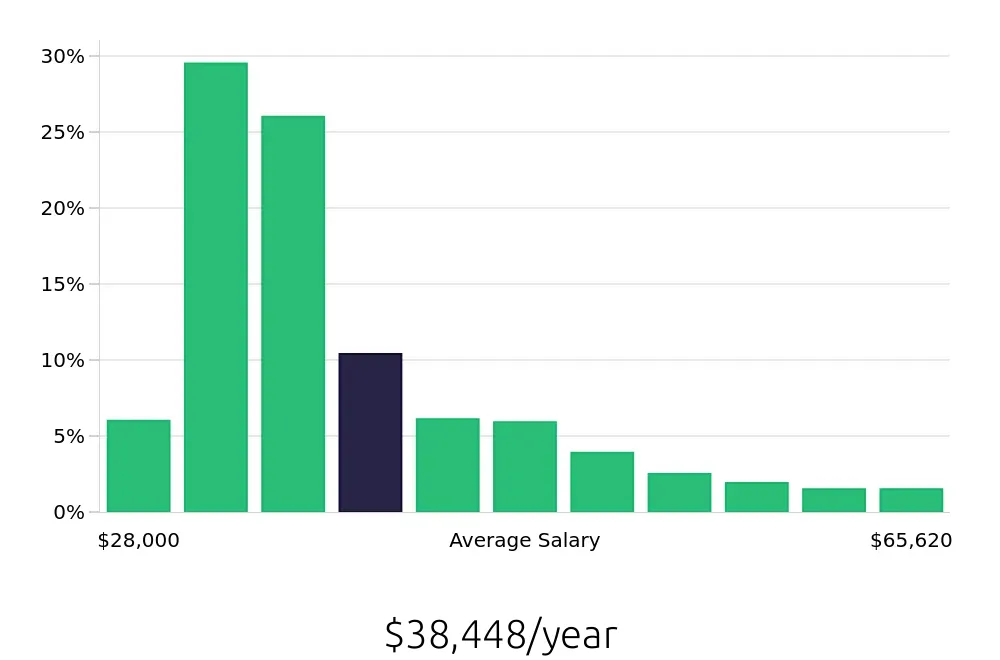
Compensation for screeners is competitive. The BLS reports an average annual salary of $39,270. Hourly wages are $18.88 on average. This pay reflects the value of the work screeners perform. Job seekers can expect fair compensation for their efforts. With consistent demand and reasonable pay, this career path is worth considering.
Currently 143 Screener job openings, nationwide.
Continue to Salaries for Screener