What does a Secretary do?
A Secretary plays a crucial role in supporting the smooth operation of an office. This person handles a variety of administrative tasks to ensure the office runs efficiently. Responsibilities often include managing schedules, organizing meetings, and handling correspondence. A Secretary also maintains files, both physical and digital, and often assists with budgeting and financial tasks. Communication is key, so this individual frequently interacts with both internal staff and external clients.
In many settings, a Secretary acts as the first point of contact for visitors and callers, ensuring that all inquiries are handled promptly and courteously. This role requires strong organizational skills and attention to detail. The Secretary also coordinates travel arrangements, handles procurement of office supplies, and supports the IT department when needed. Overall, the job demands a high level of professionalism and the ability to juggle multiple tasks simultaneously. Being detail-oriented and efficient can make a significant difference in this role.
How to become a Secretary?
Becoming a secretary involves several key steps that ensure one is well-prepared for the role. This career path requires attention to detail, strong communication skills, and a thorough understanding of office procedures. Following the right steps can help set anyone up for success in this role.
Here is an outline of the process to become a secretary:
- Earn a high school diploma or GED. This is the foundational step in preparing for any career, including that of a secretary.
- Pursue post-secondary education. Many employers prefer candidates with an associate degree or certificate in office administration or a related field.
- Gain experience. Look for internships or entry-level positions in offices to build practical skills.
- Develop key skills. Focus on enhancing skills such as typing, organization, and communication.
- Get certified. Consider obtaining certifications to stand out in the job market.
Each step plays a crucial role in preparing a person for the responsibilities of a secretary. By following these steps, individuals can build a solid foundation for a successful career in this field.
How long does it take to become a Secretary?
Pursuing a career as a secretary offers various pathways, each with its own timeline. Most secretarial positions require some form of postsecondary education. Some individuals opt for a certificate program, which can be completed in as little as one semester. Others may choose an associate degree, which typically takes around two years to finish. A bachelor’s degree usually takes four years.
Additionally, gaining relevant experience through internships or entry-level positions can enhance job prospects. Many find that with a combination of education and experience, they can qualify for a secretarial role. Balancing coursework with practical experience allows individuals to build the necessary skills more efficiently. This often results in being job-ready within a few months to a couple of years, depending on the educational path chosen and the amount of work experience accumulated.
Secretary Job Description Sample
We are seeking a highly organized and efficient Secretary to join our team. The successful candidate will provide high-level administrative support to our executives, manage office operations, and ensure the smooth running of our office. This role requires excellent communication skills and the ability to manage multiple tasks simultaneously.
Responsibilities:
- Manage and organize the executive's calendar and schedule
- Handle incoming and outgoing correspondence, including emails, letters, and faxes
- Organize and coordinate meetings, travel arrangements, and events
- Prepare and maintain records and reports
- Manage office supplies and equipment, and ensure the office is well-stocked
Qualifications
- High school diploma or equivalent required; bachelor's degree preferred
- Minimum of 3 years of experience in a secretarial or administrative role
- Excellent organizational and time management skills
- Strong communication and interpersonal skills
- Proficiency in Microsoft Office Suite and other office software
Is becoming a Secretary a good career path?
A career as a Secretary offers a blend of administrative tasks, communication skills, and organizational expertise. Secretaries work in various settings, including offices, schools, and government agencies. They handle tasks like managing schedules, handling correspondence, and organizing meetings. Secretaries often interact with senior staff and clients, making communication skills vital. They also need to stay organized and manage multiple tasks at once.
Choosing this career path comes with its own set of benefits and challenges. One of the key advantages is job stability. Many industries rely on administrative support. Secretaries also have the chance to work closely with different people, which can be rewarding. Good secretaries often have opportunities for advancement, such as moving into managerial roles or specialized administrative positions. However, the job can be demanding. Secretaries often face tight deadlines and high-pressure environments. They need to be detail-oriented and able to multitask effectively. Working long hours or irregular hours can also be a part of the job.
Here are some pros and cons to consider:
- Pros:
- Job stability across many industries
- Opportunity to interact with different people
- Potential for advancement in the field
- Development of strong organizational and communication skills
- Cons:
- High-pressure and tight deadlines
- Need to be highly detail-oriented
- Potential for long or irregular working hours
- Risk of repetitive tasks
What is the job outlook for a Secretary?
The job outlook for Secretaries shows a mix of opportunities and challenges. According to the Bureau of Labor Statistics (BLS), there are around 12,700 job positions available each year. While this number suggests consistent demand, it is important to note the projected percent change in job openings from 2022 to 2032 is -21.8%. This decrease points to potential shifts in how secretarial roles are structured and performed, possibly due to technological advancements and changes in office management practices. Job seekers should be aware of these trends and adapt their skills to stay competitive.
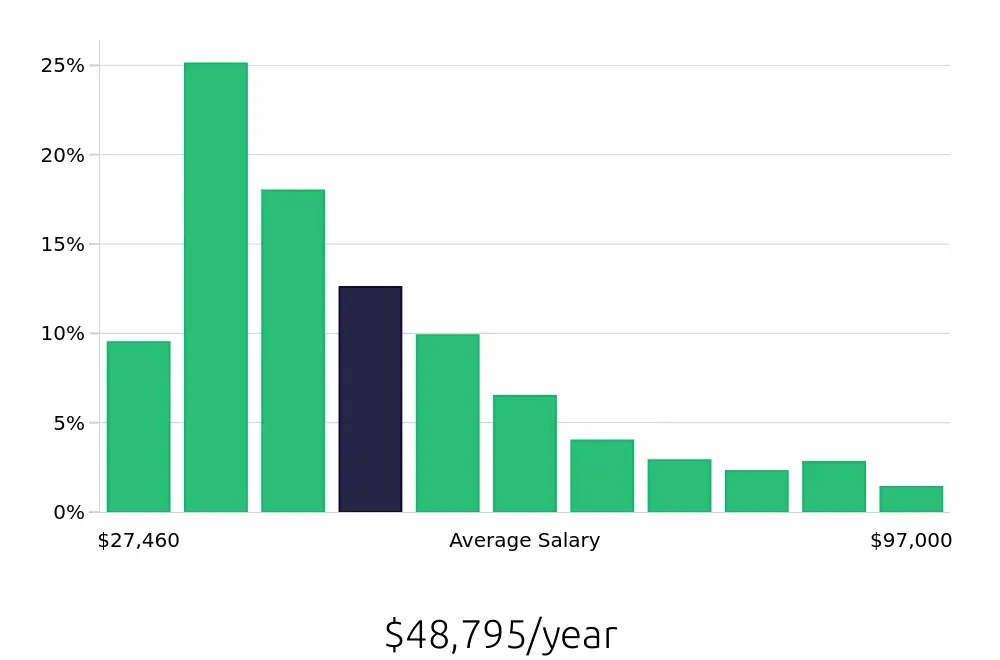
On the positive side, the average national annual compensation for Secretaries stands at $49,810, as reported by the BLS. This figure reflects the value employers place on skilled administrative professionals. Additionally, the average hourly compensation is $23.95, indicating a stable pay scale within the profession. With a solid average salary, this role can offer financial stability and growth potential for those who pursue it. Continuous skill development and embracing new technologies can help job seekers capitalize on these benefits.
For job seekers considering a career as a Secretary, it is crucial to stay informed about industry trends and continually update skills. The evolving workplace landscape may require Secretaries to be proficient in digital tools and communication platforms. Keeping abreast of these changes will position job seekers for success. The combination of a respectable average salary and the need for adaptability makes this career path a viable option for those seeking a stable yet dynamic role.
Currently 1,679 Secretary job openings, nationwide.
Continue to Salaries for Secretary