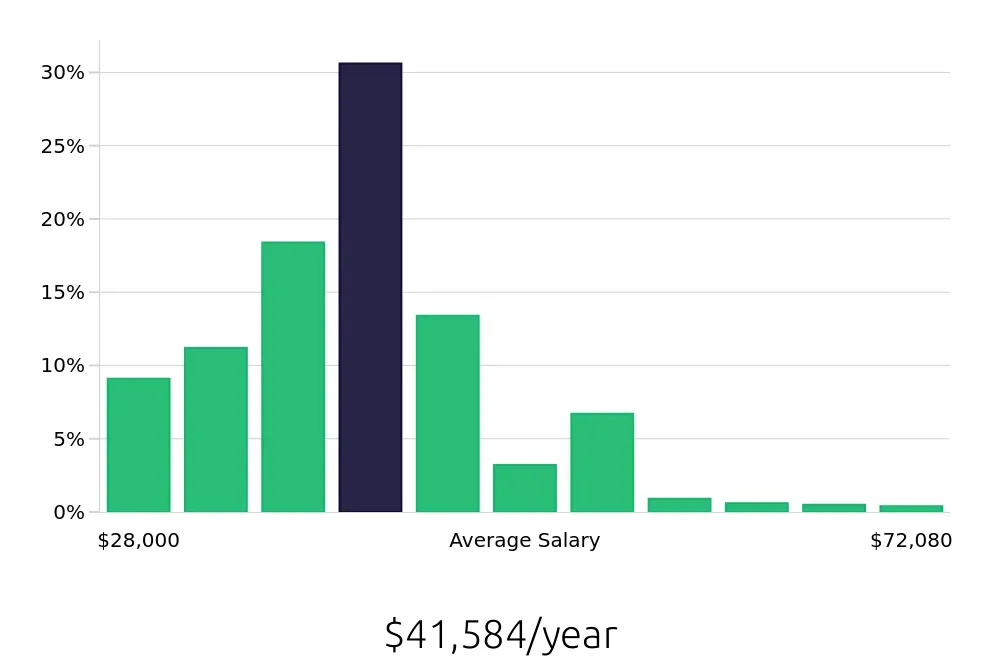
What does a Shift Supervisor do?
A Shift Supervisor ensures smooth operations during their assigned shift. This position oversees daily activities, manages staff, and maintains high productivity levels. Supervisors coordinate tasks, assign duties, and provide guidance to team members. They address any issues that arise and ensure the team follows safety protocols. Supervisors also communicate with other departments and higher management to keep everyone informed.
In this role, the Shift Supervisor trains new employees, reviews performance, and encourages professional growth. They help create a positive work environment and motivate the team. Supervisors often work in manufacturing, retail, healthcare, and hospitality. This position requires strong leadership, problem-solving skills, and the ability to work under pressure. A Shift Supervisor plays a vital role in maintaining efficiency and fostering teamwork.
How to become a Shift Supervisor?
Becoming a Shift Supervisor offers a pathway to greater responsibility and leadership within the workplace. This role involves overseeing team members during a specific shift, ensuring tasks are completed efficiently. It requires a blend of experience, leadership skills, and understanding of the company's operations. The following steps provide a clear path to achieving this career goal.
First, gain relevant experience. Work in a position that involves some level of responsibility, such as a team member or an assistant. Experience demonstrates your ability to handle work pressure and manage tasks. Next, develop strong communication skills. Effective communication is key to a supervisor's role. Learn to convey instructions clearly and listen to team members' concerns. Additionally, understand the company's operations and processes. Knowledge of daily tasks and workflows helps in managing and guiding the team more effectively. Then, build leadership qualities. Show initiative, responsibility, and a team-oriented mindset. Seek opportunities to lead projects or small teams to practice these skills. Lastly, consider formal education or training. Courses in management or leadership can provide valuable insights and enhance your credentials.
To advance further, follow these steps:
- Gain relevant experience in your field.
- Develop strong communication skills.
- Understand company operations and processes.
- Build leadership qualities through practice and observation.
- Pursue formal education or training in management.
How long does it take to become a Shift Supervisor?
To become a Shift Supervisor, many factors play a role in determining how long it takes. Generally, a person may start by working as an entry-level employee in a company. This experience helps build a strong foundation. Gaining hands-on experience and learning the ins and outs of the job is important. A typical timeline may include the following steps:
- Enter the workforce and gain basic skills and knowledge.
- Work in a specific department for a few years to understand daily operations.
- Gain a reputation for reliability and leadership qualities.
- Pursue additional training or certifications, if needed, to enhance qualifications.
- Apply for an open Shift Supervisor position when one becomes available.
The path to becoming a Shift Supervisor usually spans several years. This timeframe can vary based on the industry, company size, and individual career goals. Most employers look for candidates with a solid work history and relevant experience. They also seek someone who can manage a team effectively. By staying committed and focused, professionals can achieve this important role within a reasonable period.
Shift Supervisor Job Description Sample
The Shift Supervisor is responsible for overseeing and managing the operations of a specific shift within the organization. This role ensures that all team members adhere to safety protocols, maintain productivity, and meet quality standards. The Shift Supervisor also provides guidance and support to staff, addressing any issues that arise during their shift.
Responsibilities:
- Supervise and manage team members during assigned shifts, ensuring adherence to company policies and safety regulations.
- Monitor and maintain productivity levels by setting clear goals and expectations.
- Provide training and guidance to new and existing team members.
- Address and resolve any operational issues or conflicts that arise during the shift.
- Conduct regular inspections and audits to ensure compliance with quality standards.
Qualifications
- Previous experience in a supervisory or management role, preferably in a similar industry.
- Proven ability to lead and motivate a team, with strong interpersonal and communication skills.
- Knowledge of safety protocols and regulations relevant to the workplace.
- Strong problem-solving and decision-making abilities.
- Proficiency in using computer systems and software for reporting and data management.
Is becoming a Shift Supervisor a good career path?
Working as a Shift Supervisor offers a unique blend of leadership and operational oversight. In this role, professionals ensure smooth operations during their assigned shift. They manage teams, delegate tasks, and oversee the execution of daily processes. The position often requires a mix of hands-on work and administrative duties.
This career path provides an opportunity for growth and development. Shift Supervisors often have a direct impact on the workplace environment and team morale. They gain valuable experience in team management, problem-solving, and operational efficiency. Companies often look for experienced employees to fill this role, making it a stepping stone for future leadership positions.
Consider these pros and cons before pursuing a career as a Shift Supervisor:
- Pros:
- Opportunity to lead and mentor a team.
- Direct impact on daily operations and team performance.
- Potential for career advancement to higher management roles.
- Experience in problem-solving and decision-making.
- Cons:
- Responsibility for ensuring team compliance with company policies.
- Potential for long hours, including nights, weekends, and holidays.
- High-stress environment, especially during busy periods.
- Need to handle conflicts and difficult situations.
What is the job outlook for a Shift Supervisor?
Job seekers aiming to become Shift Supervisors will find encouraging trends in this career path. According to the Bureau of Labor Statistics (BLS), about 14,000 new positions open each year. This number gives hopeful candidates ample opportunity to pursue a career in this field. The BLS also predicts a 1.4% growth rate from 2022 to 2032, which is a positive sign for the future.
Shift Supervisors play a crucial role in many industries, overseeing daily operations and ensuring smooth shifts. This demand for supervision leads to consistent job openings. The average annual salary for Shift Supervisors stands at $98,000, according to the BLS. This salary makes the role attractive to those seeking both job stability and a competitive income. Additionally, the average hourly wage is $47.11, reflecting the value placed on these positions.
Shift Supervisors who aim for career advancement will find many paths available. Experience and additional qualifications can lead to higher-paying roles. Many employers also offer benefits, including health insurance and retirement plans. Job seekers should leverage these opportunities to secure a stable and rewarding career.
Currently 3,230 Shift Supervisor job openings, nationwide.
Continue to Salaries for Shift Supervisor