Position
Overview

What does a Social Services Director do?

The Social Services Director plays a pivotal role in coordinating and managing social service programs within an organization. This leader ensures that individuals and families receive the support they need. The director develops policies, oversees staff, and collaborates with other departments to meet community needs. They create programs that help clients with housing, food, and mental health services. The director also manages budgets and evaluates program effectiveness.

Responsibilities include hiring and training staff, monitoring performance, and ensuring compliance with regulations. The director often works with external agencies and community organizations. They advocate for clients and strive to improve services. This role requires strong communication skills and the ability to manage multiple projects simultaneously. The Social Services Director aims to enhance the quality of life for those in need.

View Social Services Director jobs nearby

How to become a Social Services Director?

Aspiring to become a Social Services Director involves a clear path of education and experience. This role requires a blend of leadership skills and a deep understanding of social services. The journey typically includes several key steps. Following these steps can help someone achieve this important role.

Firstly, gain a solid educational foundation. Most employers look for a bachelor’s degree in social work, public administration, or a related field. This education provides essential knowledge of social services and community needs. Completing this step sets the stage for further professional development.

  1. Earn a Degree: Obtain a bachelor's degree in social work, public administration, or a related field.
  2. Gain Experience: Work in social services or a related field. Experience in management or leadership roles is beneficial.
  3. Pursue Advanced Education: Consider earning a master’s degree in social work, public administration, or social services management.
  4. Specialize in Social Services: Focus on areas like community outreach, program development, or policy analysis.
  5. Network and Seek Opportunities: Connect with professionals in the field and look for director positions.

Next, gain practical experience. Working in social services or related areas provides valuable insights. Experience in management or leadership roles can be particularly useful. This hands-on experience helps build the skills needed to manage programs effectively.

Pursuing advanced education is another crucial step. Many employers prefer candidates with a master’s degree in social work, public administration, or social services management. This advanced degree can open more opportunities and enhance one’s qualifications.

How long does it take to become a Social Services Director?

A typical journey to becoming a Social Services Director often spans several years. Most positions require at least a master’s degree in social work or a related field. This advanced education usually takes two to three years beyond a bachelor’s degree. After earning the necessary qualifications, gaining experience in social services roles is crucial. Professionals often spend several years working in various capacities to build skills and knowledge. This may involve roles such as social worker, program coordinator, or case manager. This hands-on experience prepares individuals for leadership positions. Often, directors have at least five to ten years of relevant experience. Continuous professional development and leadership training can also help in advancing to a director role.

Interested in the role of a Social Services Director? Understanding the time it takes to reach this position can guide your career planning. Typically, it involves several steps. First, a bachelor’s degree in social work, psychology, or a related field is necessary. This takes about four years. Many employers prefer a master’s degree in social work, which adds two to three more years of study.

After completing education, gaining practical experience is essential. This often involves working as a social worker or in a related role for several years. Most directors have at least five to seven years of experience. This experience allows for the development of key skills, such as leadership and management. Some may pursue certifications or additional training to enhance their qualifications. The path to becoming a Social Services Director takes a solid commitment of time and effort, but the rewards can be significant.

Social Services Director Job Description Sample

The Social Services Director will lead and manage a team of social services professionals to provide comprehensive support and services to individuals and families in need. This role involves overseeing program development, ensuring compliance with regulatory standards, and collaborating with community organizations to enhance service delivery.

Responsibilities:

  • Oversee the planning, development, and implementation of social services programs.
  • Manage a team of social service professionals, providing supervision, training, and performance evaluations.
  • Develop and maintain relationships with community organizations, stakeholders, and funding sources.
  • Ensure compliance with state and federal regulations and standards for social service programs.
  • Prepare budgets, reports, and grant applications to secure funding and resources.

Qualifications

  • Master’s degree in Social Work, Public Administration, or a related field.
  • Minimum of 5 years of experience in a leadership role within social services.
  • Proven experience in program management and development.
  • Strong understanding of social services regulations and best practices.
  • Excellent leadership, communication, and interpersonal skills.

Is becoming a Social Services Director a good career path?

A career as a Social Services Director can be both rewarding and challenging. This role requires leadership skills and a dedication to improving community services. Directors work with teams to create and implement programs that help people in need. They often manage budgets and ensure that resources are used effectively.

Working as a Social Services Director offers several advantages. Job satisfaction comes from making a real difference in people's lives. It also provides opportunities for professional growth and development. However, there are challenges to consider. The job can be stressful due to high expectations and tight deadlines. Balancing multiple responsibilities can also be demanding.

Here are some pros and cons to think about:

  • Pros:
  • Helping others and making a difference in the community.
  • Opportunities for professional growth and advancement.
  • Variety of programs and projects to work on.
  • Cons:
  • High stress levels and long working hours.
  • Pressure to meet goals and deadlines.
  • Managing multiple responsibilities and teams.

What is the job outlook for a Social Services Director?

Job seekers looking to enter the field of social services have promising opportunities ahead. The Bureau of Labor Statistics (BLS) reports an average of 16,000 job positions for Social Services Directors each year. This role involves managing and coordinating social service programs to improve lives. The demand for skilled professionals in this area is growing, making it an excellent field for career growth.

The job outlook for Social Services Directors is also positive. The BLS predicts a 9.1% increase in job openings from 2022 to 2032. This growth is expected as more communities recognize the importance of social services. Organizations will need experienced directors to lead their programs effectively. This trend offers job seekers a stable and expanding career path in social services.

Social Services Directors also enjoy a competitive salary. The BLS reports an average national annual compensation of $83,400. This figure reflects the value society places on this important work. Additionally, the average national hourly compensation stands at $40.1, further highlighting the financial rewards of this career. Job seekers can look forward to both professional fulfillment and a good income in this field.

Currently 203 Social Services Director job openings, nationwide.

Continue to Salaries for Social Services Director

Learn about Social Services Director salaries, top-paying cities, and hiring companies. See how much you could earn!
Position
Salary
Salaries For Social Services Director
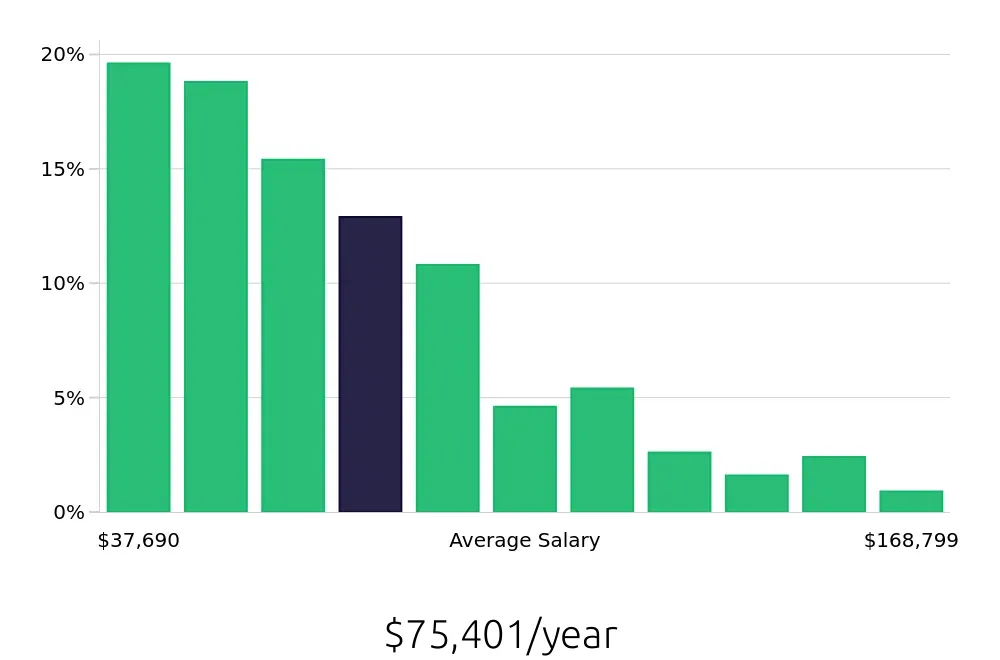
Averge salary $63,676 per year
Graph depicting the yearly salary distribution for Social Services Director positions, showing an average salary of $63,676 with varying distribution percentages across salary ranges.