What does a Sous Chef do?
A Sous Chef plays a crucial role in any kitchen, acting as the right-hand person to the head chef. This position requires managing kitchen operations, ensuring smooth workflow, and maintaining high standards of food quality. The Sous Chef directs the kitchen staff, assigns tasks, and coordinates meal preparations. They also oversee inventory, manage food costs, and uphold hygiene standards.
The Sous Chef takes charge during busy periods, ensuring the kitchen runs efficiently. They train and mentor junior chefs, providing guidance and support. This role requires excellent leadership skills, attention to detail, and the ability to work under pressure. The Sous Chef also collaborates with the head chef to develop new recipes and menus, ensuring creativity and innovation in the kitchen.
How to become a Sous Chef?
Becoming a Sous Chef involves a series of steps that require dedication and the right skills. This role is an important part of any kitchen team, and it comes with responsibilities that include overseeing kitchen staff and assisting the head chef. Here are some steps to help someone become a Sous Chef.
First, one must gain a solid understanding of cooking principles and techniques. This often involves attending a culinary school or completing a culinary arts program. Training in these settings provides the necessary knowledge and skills to handle kitchen duties efficiently. Experience is key, and working in various kitchen roles helps to build a strong foundation.
- Complete a culinary education.
- Gain experience through internships or entry-level kitchen jobs.
- Develop leadership skills by managing kitchen staff and tasks.
- Master the art of menu planning and inventory management.
- Pursue certifications to enhance credibility and knowledge.
How long does it take to become a Sous Chef?
The path to becoming a Sous Chef can vary based on a person's background and career choices. Most commonly, the journey begins with formal education in culinary arts. This typically includes a bachelor's degree, which takes about four years to complete. Some chefs choose to attend culinary school instead, which can take two years or less. After this, gaining experience in a kitchen is crucial. Many chefs start at entry-level positions, such as line cook or kitchen assistant. With time and hard work, these positions lead to more advanced roles, such as Chef de Partie or Station Chef. The total time to become a Sous Chef can range from five to ten years, depending on the individual's dedication and opportunities.
Several factors can influence the timeline. Some chefs might find internships or apprenticeships, which can shorten the learning curve. Others might work their way up faster in a busy kitchen. The industry itself plays a role, as some restaurants offer more opportunities for advancement than others. Networking and building relationships with other chefs can also open doors to higher positions. Those with previous culinary experience might find the transition smoother, while others may need to start at the bottom. Commitment to professional development, such as taking additional courses or certifications, can also speed up the process.
Sous Chef Job Description Sample
We are seeking an experienced and passionate Sous Chef to join our dynamic culinary team. The Sous Chef will assist the Executive Chef in overseeing the kitchen operations, ensuring the highest quality of food preparation and presentation. This role requires excellent leadership and communication skills, as well as a deep understanding of culinary techniques and kitchen management.
Responsibilities:
- Assist the Executive Chef in planning and executing daily menus and special events.
- Oversee the day-to-day operations of the kitchen, including food preparation, cooking, and presentation.
- Manage, train, and motivate kitchen staff to ensure efficient and effective kitchen operations.
- Maintain high standards of food quality, presentation, and taste, ensuring consistency across all dishes.
- Order and manage kitchen supplies and inventory, minimizing waste and controlling costs.
Qualifications
- Minimum of 5 years of experience as a Sous Chef or a similar role in a high-volume kitchen.
- Proven track record of managing kitchen staff and operations.
- Strong culinary skills with a deep understanding of various cooking techniques and cuisines.
- Excellent leadership, communication, and organizational skills.
- Ability to work under pressure and manage multiple tasks simultaneously.
Is becoming a Sous Chef a good career path?
A Sous Chef takes charge of kitchen operations when the head chef is not around. This role demands strong leadership and culinary skills. Working as a Sous Chef offers a mix of rewarding and challenging experiences. It involves overseeing kitchen staff, ensuring high-quality food production, and managing kitchen tasks efficiently.
This position has its own set of advantages and disadvantages. Understanding these can help job seekers make an informed decision. Here are some pros and cons to consider:
- Pros:
- Leadership Role: Gain experience in managing kitchen staff and leading by example.
- Skill Development: Enhance culinary skills and develop new techniques.
- Career Advancement: Serve as a stepping stone to higher positions like Executive Chef.
- High Demand: Job opportunities are available in various types of food establishments.
- Cons:
- High Pressure: The kitchen environment can be stressful, especially during peak hours.
- Long Hours: Work hours can be long, often including evenings and weekends.
- Physical Demands: The job requires standing for long periods and lifting heavy items.
- Limited Career Growth: Advancement opportunities may depend on the size and type of establishment.
What is the job outlook for a Sous Chef?
The job outlook for Sous Chefs is promising, with an average of 22,000 positions opening each year. This steady demand reflects the essential role Sous Chefs play in kitchen operations. The Bureau of Labor Statistics (BLS) projects a 5.3% growth in job openings from 2022 to 2032. This growth is driven by the expanding restaurant and hospitality industry. Candidates should prepare for a competitive job market.
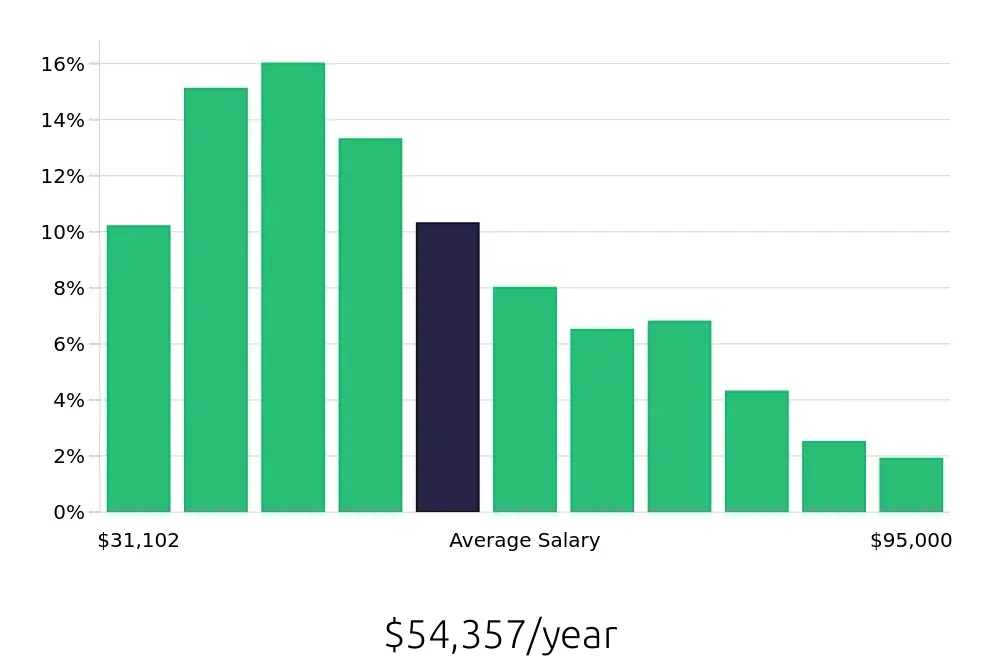
For job seekers, the average annual compensation for Sous Chefs stands at $45,780. Hourly compensation averages $22.01, indicating a stable and rewarding career path. These figures highlight the value of culinary expertise and management skills. As restaurants and food establishments continue to grow, so does the need for experienced Sous Chefs. This makes it a viable career choice for those with culinary training.
Interested candidates should leverage the positive job outlook and competitive salaries. The BLS data suggests a healthy job market for Sous Chefs. They can expect both growth and financial stability in this role. With the right skills and experience, job seekers can find opportunities in a dynamic and rewarding industry.
Currently 3,225 Sous Chef job openings, nationwide.
Continue to Salaries for Sous Chef