What does a Special Education Coordinator do?
A Special Education Coordinator plays a vital role in ensuring that students with special needs receive the best education possible. This professional works closely with teachers, parents, and other school staff to create tailored learning plans. They oversee special education programs and make sure they meet state and federal guidelines. The coordinator also provides training for teachers and staff to help them support students with disabilities. Their goal is to create an inclusive environment where all students can thrive.
In this role, the coordinator conducts assessments to identify students' needs. They develop Individualized Education Programs (IEPs) for each student. These programs outline specific goals and the services the student will receive. The coordinator also monitors progress and makes adjustments as needed. They communicate regularly with parents to keep them informed about their child's progress. By working together with the school community, the Special Education Coordinator helps every student achieve their full potential.
How to become a Special Education Coordinator?
Becoming a Special Education Coordinator involves a series of steps that require dedication and a commitment to helping students with special needs. This role is vital in ensuring that all students receive the support they need to succeed in school. By following a structured process, individuals can prepare themselves for this rewarding career.
The journey begins with gaining the necessary education and experience. Typically, this includes obtaining a bachelor's degree in education or a related field. Gaining experience as a teacher or in a similar role within the education system can provide valuable insights into the needs of special education students. Continuing education through a master's degree or certification in special education can further enhance one's qualifications. Professional development and networking with peers can help individuals stay informed about the latest trends and best practices in special education.
Here are five key steps to becoming a Special Education Coordinator:
- Earn a Bachelor’s Degree: Start with a degree in education or a related field.
- Gain Teaching Experience: Work as a teacher to understand the needs of special education students.
- Obtain Certification: Complete certification in special education to enhance qualifications.
- Pursue Advanced Education: Consider a master’s degree or further certifications to deepen knowledge.
- Gain Administrative Experience: Work in a school administration role to prepare for a coordinator position.
How long does it take to become a Special Education Coordinator?
The journey to becoming a Special Education Coordinator involves several key steps. First, an individual needs to complete a bachelor’s degree in education or a related field. This foundational step usually takes about four years. Most programs offer a combination of coursework and practical experience. This ensures new graduates have the knowledge and skills needed for the role.
After earning a bachelor’s degree, aspiring Special Education Coordinators often gain experience working with students who have special needs. This experience is vital and can take one to two years. During this time, they may hold positions like special education teacher, paraeducator, or school counselor. Building this experience helps them understand the challenges and needs of students with special needs. It also provides valuable insights into the role of a coordinator. This step is crucial for career advancement in special education.
Special Education Coordinator Job Description Sample
The Special Education Coordinator is responsible for overseeing the development, implementation, and monitoring of special education programs within the school district. They ensure compliance with federal, state, and local regulations, provide support to staff and students, and collaborate with other educational professionals to meet the diverse needs of students with disabilities.
Responsibilities:
- Develop, implement, and monitor special education programs in accordance with federal, state, and local regulations.
- Provide leadership and support to special education teachers and staff to ensure effective instruction and student outcomes.
- Collaborate with general education teachers, administrators, and other educational professionals to create an inclusive learning environment.
- Oversee the development and implementation of Individualized Education Programs (IEPs) for students with disabilities.
- Conduct regular observations and evaluations of special education programs and staff performance.
Qualifications
- Master’s degree in Special Education, Educational Leadership, or a related field.
- Valid teaching or administrative certification with a special education endorsement.
- A minimum of three years of experience in special education, with at least one year in a supervisory or coordination role.
- Strong knowledge of federal, state, and local laws and regulations governing special education.
- Excellent communication, leadership, and organizational skills.
Is becoming a Special Education Coordinator a good career path?
A Special Education Coordinator plays a key role in ensuring that students with disabilities receive the support they need to succeed. This role involves managing special education programs, coordinating with teachers, parents, and administrators, and ensuring compliance with federal and state regulations. It requires a blend of administrative skills, empathy, and knowledge of educational policies.
The path to becoming a Special Education Coordinator often starts with obtaining a degree in special education or a related field. Experience working directly with special needs students and a certification as a special education teacher are often necessary. As a Special Education Coordinator, one can expect to work in schools, districts, or educational support organizations, focusing on creating inclusive learning environments.
This career has several pros and cons to consider:
- Pros:
- Helping students succeed and make progress in their education.
- Working with a dedicated team to create supportive learning environments.
- Opportunities for professional development and growth.
- Job stability as there is always a need for special education support.
Cons to consider:
- Cons:
- High level of responsibility and pressure to ensure compliance with regulations.
- The need to stay updated on changing policies and educational trends.
- Potential for emotional challenges when dealing with students' difficulties.
- Limited opportunities for direct interaction with students compared to being a classroom teacher.
What is the job outlook for a Special Education Coordinator?
Becoming a Special Education Coordinator offers promising job prospects. According to the Bureau of Labor Statistics (BLS), about 19,200 job positions open each year. This shows that the demand for these roles remains steady. Job seekers can expect consistent opportunities in this field. The outlook is positive as the job openings percentage is expected to grow by 2.5% from 2022 to 2032, as reported by the BLS.
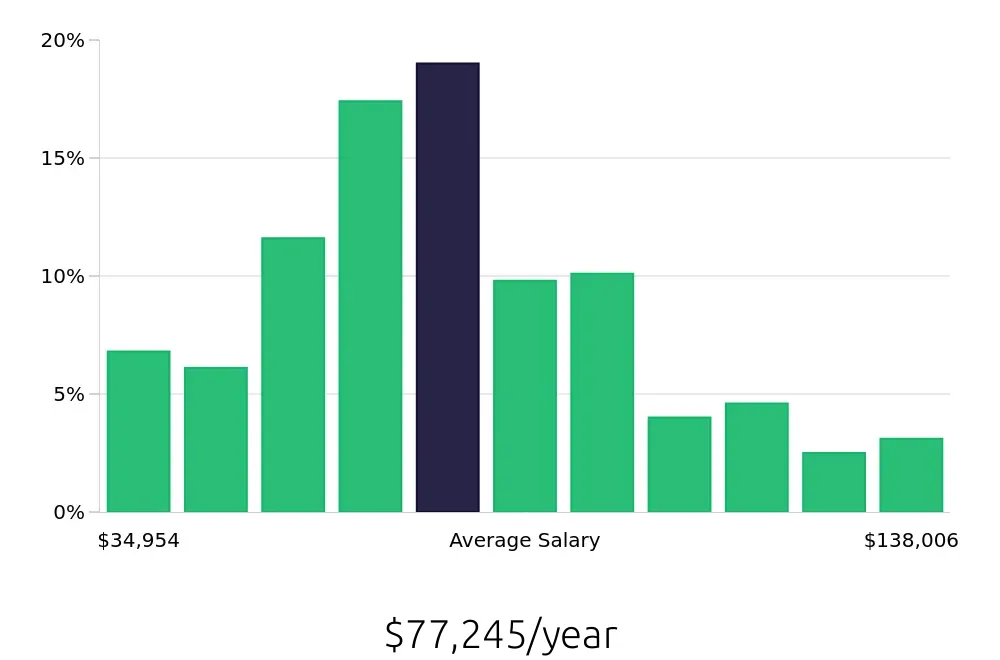
Professionals in this role enjoy a competitive salary. The average national annual compensation stands at $77,200, according to BLS data. This reflects the value employers place on the specialized skills and knowledge needed for the job. Additionally, the average hourly compensation is $37.12, which further highlights the financial rewards of pursuing this career. Job seekers can look forward to both job security and a rewarding salary package.
If you aim to enter this field, the job market is supportive. With a growing need for special education services, coordinators will play a crucial role in ensuring students receive the support they need. The combination of stable job openings and attractive compensation makes this career path appealing to many professionals. Take advantage of these opportunities and consider building a career in special education coordination today.
Currently 94 Special Education Coordinator job openings, nationwide.
Continue to Salaries for Special Education Coordinator