What does a Speech Language Pathologist Assistant do?
A Speech Language Pathologist Assistant works closely with speech-language pathologists to help individuals improve their communication skills. These assistants provide support in evaluating and treating speech, language, and swallowing disorders. They often work with a range of people, from young children to older adults, tailoring their approach to each individual's needs. Assistants also prepare materials and equipment, take detailed notes during sessions, and assist in the administration of tests.
Daily tasks may include organizing therapy sessions, preparing visual aids, and monitoring progress. They often collaborate with other healthcare professionals, such as educators, occupational therapists, and psychologists, to ensure comprehensive care. Additionally, Speech Language Pathologist Assistants may help maintain patient records and update treatment plans based on observed progress. Their role is crucial in facilitating better communication and quality of life for those they assist.
How to become a Speech Language Pathologist Assistant?
Becoming a Speech Language Pathologist Assistant (SLPA) can lead to a rewarding career in healthcare. This role supports speech-language pathologists in their work, helping patients with communication and swallowing disorders. It requires specific education and certifications, but the process is clear and achievable.
The journey to becoming an SLPA involves several key steps. These steps ensure that aspiring SLPAs are well-prepared for their responsibilities. Below are the essential steps:
- Complete a High School Diploma or GED: This is the first step. High school provides a foundational education necessary for further studies.
- Earn an Associate Degree: Aspiring SLPAs need to earn an associate degree from an accredited program. This program should cover courses in communication disorders and related fields.
- Gain Clinical Experience: Complete a supervised clinical practicum. This experience is crucial and is part of the associate degree program. It allows for hands-on learning and skill development.
- Pass the Praxis Exam: Take and pass the Praxis Exam for SLPAs. This exam tests knowledge and skills necessary for the job. Passing this exam is a requirement for certification.
- Obtain State Licensure: Apply for state licensure. Each state has its own requirements. Ensure to meet all state-specific criteria to become licensed.
How long does it take to become a Speech Language Pathologist Assistant?
Working as a Speech Language Pathologist Assistant (SLPA) involves supporting professionals in their efforts to help people with communication disorders. Many people wonder how long this career path takes. Generally, the journey to becoming an SLPA requires a mix of education and hands-on experience. Most programs take about two years to complete, though this can vary.
To start, a person typically needs an associate's degree from an accredited program. These programs often include both classroom instruction and clinical experience. During this time, students learn about speech and language disorders, therapy techniques, and patient care. Some programs may offer internships or supervised practice to build practical skills. Graduates who pass their exams can then work under the supervision of a licensed speech-language pathologist. This combination of education and experience makes sure new SLPAs are ready to help effectively.
Speech Language Pathologist Assistant Job Description Sample
We are seeking a dedicated Speech Language Pathologist Assistant to support our team of speech-language pathologists in providing high-quality care to our clients. The ideal candidate will assist in the evaluation, treatment, and management of communication and swallowing disorders under the supervision of a licensed speech-language pathologist. This role requires a compassionate and detail-oriented individual who can work collaboratively with patients and their families.
Responsibilities:
- Assist in the assessment and treatment of speech, language, voice, fluency, and swallowing disorders.
- Support the implementation of treatment plans designed by speech-language pathologists.
- Monitor and document patient progress and outcomes.
- Provide support to patients during therapy sessions, ensuring a safe and effective environment.
- Educate patients and their families about speech and language disorders, treatment options, and strategies for communication enhancement.
Qualifications
- An associate’s or bachelor’s degree in Communication Disorders or a related field is preferred.
- Completion of a Speech Language Pathology Assistant (SLPA) program and certification as an SLPA is required.
- Strong communication skills and the ability to work effectively with patients of all ages and backgrounds.
- Ability to follow detailed instructions and work independently as well as part of a team.
- Excellent organizational skills and attention to detail.
Is becoming a Speech Language Pathologist Assistant a good career path?
A Speech Language Pathologist Assistant plays a key role in healthcare. They help speech language pathologists (SLPs) provide care to people who have trouble with speaking or swallowing. This job requires dedication and a caring attitude. It offers the chance to make a real difference in people's lives.
Working in this field has many benefits. The job often includes helping children and adults improve their communication skills. Seeing the progress of clients can be very rewarding. Assistants also gain hands-on experience, which can lead to more career opportunities. However, there are some challenges. The work can be emotionally demanding, as assistants deal with clients who may be going through tough times. The job may also involve long hours, depending on the workplace. It is important to consider these factors when thinking about this career path.
Consider the following pros and cons before taking this career path:
- Pros:
- Help people with communication and swallowing issues.
- Work in various settings like schools, clinics, and hospitals.
- Opportunities to gain valuable experience.
- Chance to make a positive impact on clients' lives.
- Cons:
- Work can be emotionally challenging.
- Potential for long hours, depending on the workplace.
- May require further education or certification.
- Job availability can depend on the location.
What is the job outlook for a Speech Language Pathologist Assistant?
Aspiring Speech Language Pathologist Assistants can look forward to a promising job outlook. The Bureau of Labor Statistics (BLS) reports an average of 257,100 job positions opening each year. This indicates a steady demand for professionals in this field. With a projected job openings percent change from 2022 to 2032 of 10.4%, the job market is set to grow. This growth suggests more opportunities for those seeking a career in this rewarding profession.
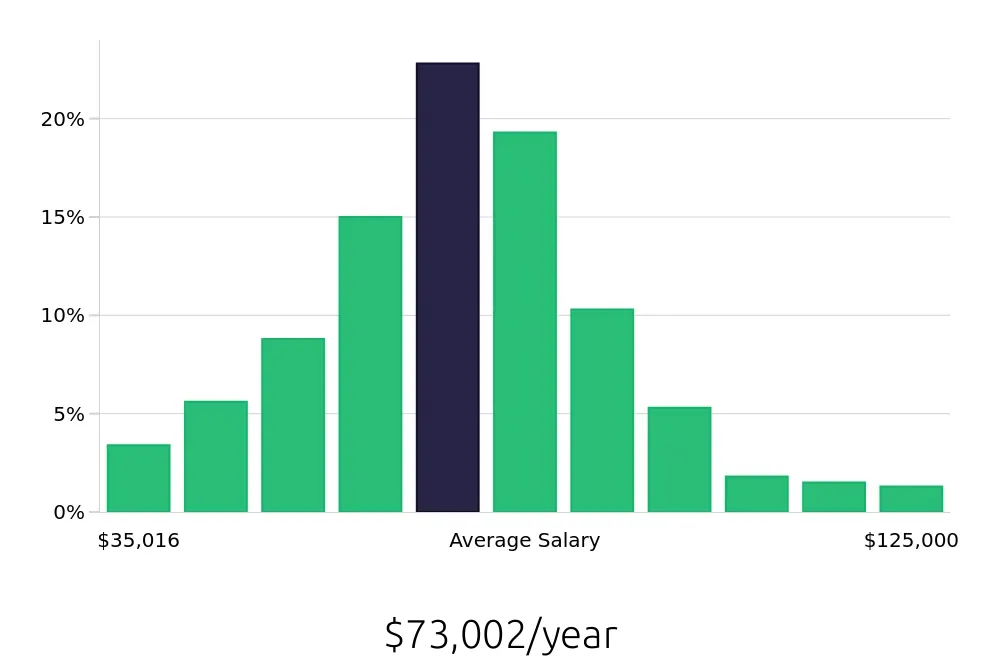
The BLS also highlights the average national annual compensation for Speech Language Pathologist Assistants, which stands at $43,940. This figure reflects a stable and competitive salary. Additionally, the average national hourly compensation is $21.13, offering a fair wage for the skills and dedication required in this role. These financial figures make this career an attractive option for many job seekers. Competitive pay paired with a growing job market underscores the value and potential of this profession.
To summarize, the job outlook for Speech Language Pathologist Assistants is positive. With a significant number of job positions available each year and a growing demand, this field offers stability and growth opportunities. The average compensation figures further enhance the appeal of this career. Job seekers interested in healthcare and supportive roles will find this profession both promising and rewarding.
Currently 502 Speech Language Pathologist Assistant job openings, nationwide.
Continue to Salaries for Speech Language Pathologist Assistant