What does a Talent Associate do?
A Talent Associate plays an important role in helping companies find and attract great candidates. This position focuses on sourcing, screening, and interviewing job applicants. They work with hiring managers to understand what skills and experience are needed for each role. A Talent Associate often schedules interviews and communicates with candidates throughout the hiring process. Their main goal is to build a strong team of employees who will fit well with the company’s culture and goals.
The Talent Associate also helps to maintain a positive candidate experience. This means they ensure that all applicants are treated fairly and with respect. They answer questions about the job and the company, providing clear and helpful information. Additionally, they keep detailed records of all interactions with candidates. This helps the hiring team make informed decisions. By doing all this, a Talent Associate helps the company find the best people for the job.
How to become a Talent Associate?
Becoming a Talent Associate involves several steps that require attention to detail and a proactive approach. The journey begins with gaining a solid foundation in understanding what the role entails and ends with securing a position in a reputable company. A Talent Associate works to attract, recruit, and retain the best talent for an organization.
The process includes researching job roles, improving relevant skills, building a professional network, applying for positions, and preparing for interviews. Each step is crucial to ensuring a successful transition into this career path.
- Research the role: Begin by understanding the responsibilities and requirements of a Talent Associate. Look into companies that offer this position and the skills they seek.
- Enhance skills: Focus on developing skills that are key for the role, such as communication, negotiation, and understanding of HR processes.
- Build a network: Connect with professionals in the field. Attend career fairs, join relevant groups, and engage in conversations to learn more about the industry.
- Apply for jobs: Search for job openings and apply to positions that match your qualifications and career goals.
- Prepare for interviews: Practice common interview questions and be ready to discuss your skills and experiences that make you a suitable candidate.
How long does it take to become a Talent Associate?
Interested in a career as a Talent Associate? This role plays a key part in finding and hiring the best people for a company. The time needed to get this job varies based on several factors. Many people start by gaining a college degree in a related field. Others might enter with some work experience in human resources or recruitment. The journey often includes steps like training, internships, and gaining practical experience.
Getting started can take a few months to a few years. An associate degree in human resources or business can take two years. A bachelor’s degree takes about four years. Some companies offer on-the-job training programs that last a few months to a year. These programs can speed up the process. Internships and entry-level positions can also help you gain important skills and make you a stronger job candidate. Continuous learning and getting more certifications can help you advance faster.
Aspiring Talent Associates should know that patience and hard work are key. With the right mix of education, training, and experience, you can land this rewarding job. It’s a path that offers many opportunities to grow and make a difference in how companies build their teams.
Talent Associate Job Description Sample
The Talent Associate is responsible for supporting the recruitment and talent acquisition processes to ensure that the organization attracts and retains top talent. This role collaborates with hiring managers, participates in the full recruitment lifecycle, and contributes to the development of a positive employer brand.
Responsibilities:
- Support the full recruitment lifecycle including job posting, sourcing candidates, screening resumes, and scheduling interviews.
- Assist in the coordination of recruitment events such as job fairs and career days.
- Maintain and update the talent pool database, ensuring that candidate information is accurate and up-to-date.
- Collaborate with hiring managers to understand staffing needs and develop effective recruitment strategies.
- Assist in the onboarding process for new hires by facilitating orientation and ensuring a smooth transition into the organization.
Qualifications
- Bachelor’s degree in Human Resources, Business Administration, or a related field.
- 1-3 years of experience in recruitment, talent acquisition, or a related role.
- Strong understanding of recruitment best practices and employment laws.
- Excellent communication and interpersonal skills, with the ability to build relationships with candidates and hiring managers.
- Detail-oriented with strong organizational and time management skills.
Is becoming a Talent Associate a good career path?
The career path of a Talent Associate offers a rewarding experience in the human resources sector. This role focuses on finding and managing talent for companies. A Talent Associate works to attract the best candidates for job openings. This helps companies grow and succeed. Many organizations value the work done by Talent Associates. They work closely with hiring managers to understand job needs. This ensures the right fit between company and employee.
Being a Talent Associate has its own set of advantages and challenges. Here are some key points to consider:
- Pros:
- Opportunity to meet new people every day.
- Variety in work tasks, keeping the job interesting.
- Helping companies grow by finding top talent.
- Developing strong communication and interpersonal skills.
- Cons:
- High pressure to meet hiring targets can be stressful.
- Work can be repetitive at times, focusing mainly on recruitment.
- Long hours may be needed, especially during busy hiring periods.
- The role may require managing difficult conversations with candidates.
What is the job outlook for a Talent Associate?
Becoming a Talent Associate offers a promising job outlook for career-minded individuals. The U.S. Bureau of Labor Statistics (BLS) reports an average of 25,200 job positions available each year for this role. This steady flow of job openings indicates a stable demand in the job market. Additionally, the BLS projects a 5.6% growth in job openings for Talent Associates from 2022 to 2032. This growth suggests a positive trend for those seeking employment in this field.
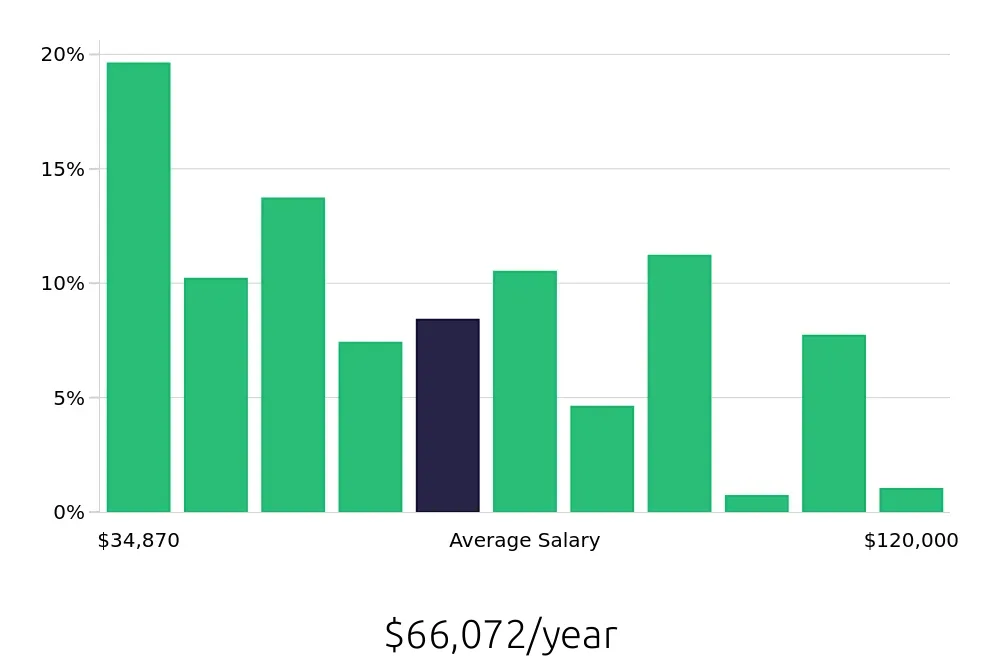
Talent Associates can expect competitive compensation for their skills and responsibilities. According to the BLS, the average national annual salary for this role is $100,860. This figure reflects the value that companies place on the work of Talent Associates, who play a crucial role in recruiting and developing talent. Furthermore, the average hourly compensation for this profession stands at $48.49, providing a clear picture of the rewards associated with this career path.
For job seekers, these statistics highlight a strong job market with growth opportunities and attractive compensation. The combination of stable job availability, projected growth, and competitive salaries makes the Talent Associate role an appealing choice. Aspiring Talent Associates can look forward to a rewarding career with good prospects in the coming years.
Currently 38 Talent Associate job openings, nationwide.
Continue to Salaries for Talent Associate