What does a Trade Specialist do?
A Trade Specialist plays a key role in managing and growing a company's trade operations. This position focuses on building relationships with key suppliers and customers. The specialist analyzes market trends and data to find new business opportunities. They also negotiate trade agreements and ensure compliance with regulations. The goal is to enhance the company's market position and drive sales growth.
The Trade Specialist works closely with various departments, including marketing, sales, and logistics. They coordinate with these teams to develop and implement trade strategies. The specialist provides reports and insights to senior management. They also stay updated on industry changes and best practices. This role requires strong communication skills and attention to detail. Success in this position depends on the ability to build and maintain strong professional relationships.
Some key responsibilities of a Trade Specialist include:
- Conducting market research and analysis
- Negotiating trade deals and contracts
- Maintaining records of trade activities
- Ensuring compliance with trade laws and regulations
- Collaborating with internal and external stakeholders
How to become a Trade Specialist?
Becoming a Trade Specialist requires a clear path and dedication. This role involves understanding international trade laws and market trends. It's a rewarding job for those interested in global business.
Here are the steps to becoming a Trade Specialist:
- Get a relevant education: Start with a bachelor's degree in business, economics, or international studies. This provides a solid foundation in trade principles.
- Gain experience: Look for internships or entry-level jobs in trade-related fields. Experience helps build knowledge and skills.
- Learn about trade laws: Study international trade regulations and agreements. Understanding these laws is crucial for a Trade Specialist.
- Pursue certifications: Consider certifications like the Certified Trade Professional (CTP). These credentials can boost job prospects.
- Network and connect: Attend trade conferences and join professional organizations. Building connections can open doors to new opportunities.
Following these steps can lead to a successful career as a Trade Specialist. With dedication and the right education, anyone can achieve this goal.
How long does it take to become a Trade Specialist?
The journey to becoming a Trade Specialist varies based on several factors. Generally, a high school diploma or equivalent serves as the starting point. Some choose to pursue further education, such as a college degree or specialized training in economics, international trade, or a related field. This additional education can enhance job prospects and lead to higher-paying roles.
For those without a degree, gaining experience through internships or entry-level positions in trade-related industries can be beneficial. This hands-on experience helps build a strong foundation. Typically, it takes 2-4 years to gain the necessary skills and experience. Professionals often start in roles like trade analyst or assistant before moving into more specialized positions. Networking and staying updated on industry trends also play key roles in career advancement.
Trade Specialist Job Description Sample
The Trade Specialist will be responsible for managing trade operations, ensuring compliance with regulations, and optimizing trade processes to support the company's business objectives. This role involves building relationships with international partners, analyzing market trends, and providing strategic insights to enhance trade performance.
Responsibilities:
- Manage and oversee trade operations, including import/export activities, to ensure efficient and compliant processing.
- Build and maintain relationships with international trade partners, including suppliers, customers, and regulatory bodies.
- Analyze market trends and provide insights to support strategic decision-making and trade strategy development.
- Ensure all trade activities comply with local, national, and international regulations and standards.
- Prepare and submit necessary documentation for customs clearance and other regulatory requirements.
Qualifications
- Bachelor’s degree in Business, International Trade, Economics, or a related field.
- Proven experience in trade operations, preferably in an international setting.
- In-depth knowledge of international trade regulations and compliance.
- Strong analytical skills with the ability to interpret market trends and provide strategic insights.
- Excellent communication and interpersonal skills, with the ability to build and maintain relationships.
Is becoming a Trade Specialist a good career path?
Being a Trade Specialist involves helping companies buy and sell goods across borders. This job requires knowledge of international trade laws, market trends, and negotiation skills. Specialists often work with customs, logistics, and finance teams to ensure smooth transactions. This role plays a key part in global business, connecting buyers and sellers worldwide.
Trade Specialists enjoy a mix of challenges and rewards. They analyze markets, create trade plans, and build relationships with international partners. Each day brings new tasks and opportunities. This job demands a lot of travel and adaptability. Yet, it offers a chance to impact global trade and work with diverse cultures. Companies value the expertise Trade Specialists bring to the table.
However, this career has its trade-offs. Working long hours is common, especially during busy seasons. The job can be stressful with tight deadlines. Specialists must keep up with changing laws and market shifts. Despite these challenges, the role offers growth and the chance to make a real difference in international trade.
Here are some pros and cons to consider:
- Pros:
- Opportunities to travel and work with international partners
- Key role in connecting global markets
- Potential for career growth and advancement
- Cons:
- Long hours and high stress during peak times
- Need to stay updated on changing laws and markets
- Possible frequent travel, which can be demanding
What is the job outlook for a Trade Specialist?
The Trade Specialist profession presents a promising job outlook for aspiring professionals. On average, the Bureau of Labor Statistics (BLS) reports 74,400 job positions available each year. This trend highlights the consistent demand for skilled Trade Specialists. With a projected job openings percent change of 5.1% from 2022 to 2032, the career path for Trade Specialists looks robust and stable. This growth suggests a growing need for experts in international trade and commerce.
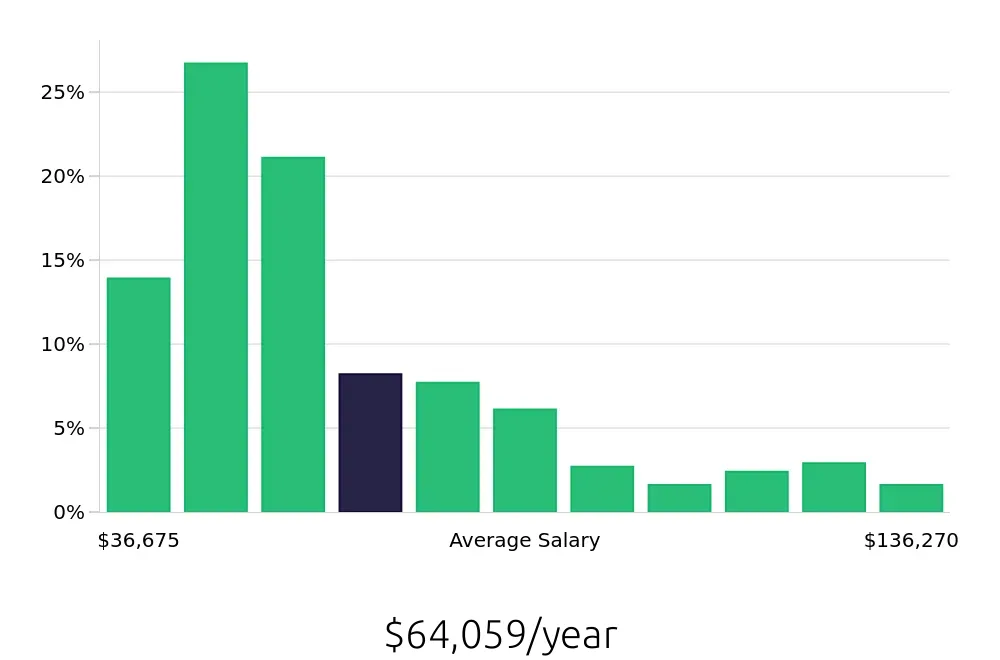
Aspiring Trade Specialists can look forward to competitive compensation. The BLS reports an average national annual salary of $161,040 for Trade Specialists. This figure reflects the value and expertise required in this field. Additionally, the average national hourly compensation stands at $77.43, underscoring the potential for lucrative career opportunities. These financial incentives make the Trade Specialist role an attractive choice for those entering the job market.
Trade Specialists can expect not only a steady stream of job openings but also a rewarding salary package. This combination makes the profession both accessible and profitable. Job seekers interested in international trade and commerce will find the Trade Specialist role offers both growth and financial stability. With consistent demand and attractive compensation, this career path is well worth considering.
Currently 96 Trade Specialist job openings, nationwide.
Continue to Salaries for Trade Specialist