What does a Transaction Coordinator do?
A Transaction Coordinator plays a vital role in ensuring smooth business operations. They manage and oversee the entire transaction process. This includes preparing documents, handling paperwork, and coordinating with different departments. They ensure that all transactions are completed accurately and on time.
This role requires strong attention to detail and excellent organizational skills. A Transaction Coordinator must communicate effectively with clients, colleagues, and management. They work to resolve any issues that may arise during transactions. This role is crucial for maintaining a smooth workflow and ensuring customer satisfaction. It involves being proactive and solving problems efficiently.
How to become a Transaction Coordinator?
Becoming a Transaction Coordinator involves understanding the real estate process and being detail-oriented. This role is vital for making real estate transactions smooth and efficient.
Follow these steps to embark on a career as a Transaction Coordinator:
- Get the right education. Most employers seek candidates with a high school diploma or GED. Some may prefer a bachelor’s degree in business or real estate.
- Gain experience. Start with a related job, such as a real estate assistant or administrative role. This experience helps to understand the real estate process.
- Learn about real estate. Understand the basics of real estate transactions. This includes contracts, closing, and legal requirements.
- Develop key skills. Focus on skills like communication, organization, and attention to detail. These skills are crucial for managing paperwork and schedules.
- Get certified. Consider certification from a real estate institute. This can boost your resume and show your commitment to the role.
Following these steps will prepare a professional for the role of a Transaction Coordinator. With the right education, experience, and skills, a person can succeed in this important job.
How long does it take to become a Transaction Coordinator?
Interested in becoming a Transaction Coordinator? It takes time and dedication to learn the skills needed for this role. Most people find that it takes between three months to a year to become fully qualified. This timeframe can vary based on your background and the education you choose to pursue.
Many professionals complete a short course or certificate program. These programs typically last around three months. They cover essential topics like real estate laws, document preparation, and communication skills. Some programs even offer hands-on practice through internships. After completing a course, individuals can often find entry-level positions and gain experience on the job. Over time, they build the skills needed to take on more responsibilities.
Others may choose to further their education with a degree in real estate or business administration. These degree programs usually take about two to four years to complete. Graduates often have a deeper understanding of the industry and may find better job opportunities right away. Combining formal education with work experience allows individuals to become skilled Transaction Coordinators efficiently.
Transaction Coordinator Job Description Sample
The Transaction Coordinator is responsible for managing the end-to-end transaction process, ensuring smooth coordination between clients, agents, and other stakeholders. This role requires excellent organizational skills, attention to detail, and the ability to handle multiple tasks simultaneously under pressure.
Responsibilities:
- Manage all aspects of real estate transactions, including scheduling, document preparation, and communication with clients and agents.
- Ensure timely and accurate completion of all transaction-related tasks and paperwork.
- Coordinate with escrow officers, title companies, lenders, and other parties involved in the transaction.
- Facilitate communication and information exchange between clients, agents, and other stakeholders.
- Monitor transaction timelines and ensure adherence to deadlines.
Qualifications
- High school diploma or equivalent required; associate or bachelor's degree in business, real estate, or a related field preferred.
- Previous experience as a Transaction Coordinator or in a similar role in the real estate industry.
- Strong understanding of real estate transaction processes and related paperwork.
- Excellent organizational and time-management skills.
- Proficient in Microsoft Office Suite (Word, Excel, Outlook) and real estate transaction management software.
Is becoming a Transaction Coordinator a good career path?
A Transaction Coordinator works in the real estate industry. They help make sure a property sale goes smoothly. This job often works closely with buyers, sellers, and real estate agents. It involves a lot of communication and organization. Those who enjoy problem-solving and working with people may find this role rewarding.
Being a Transaction Coordinator has many benefits. First, it is a great job for those who like variety. Each day can bring new challenges. This role also provides chances to learn about real estate. This can be a good stepping stone to other jobs in the field. Also, many people in this role find it easy to work from home. This can help with work-life balance. However, this job can also have some challenges. It often requires long hours, especially when closing a deal. The job can be stressful during busy times. It also demands strong attention to detail, as mistakes can lead to costly errors.
Here are some pros and cons to consider:
- Pros:
- Opportunity to work with many people
- Variety in daily tasks
- Possibility to learn about real estate
- Flexibility to work from home
- Cons:
- Long and stressful hours during busy times
- Need for strong attention to detail
- Potential for high-pressure situations
What is the job outlook for a Transaction Coordinator?
The job outlook for Transaction Coordinators is strong and promising for professional job seekers. According to the Bureau of Labor Statistics (BLS), this role sees an average of 107,000 positions available each year. This number reflects a steady demand for skilled professionals who can manage and oversee real estate transactions.
Prospective Transaction Coordinators can look forward to a positive growth trend. The BLS predicts a 4.1% increase in job openings from 2022 to 2032. This growth suggests that real estate markets will continue to need competent coordinators to handle transactions efficiently. This trend makes it an opportune time for job seekers to pursue this career path.
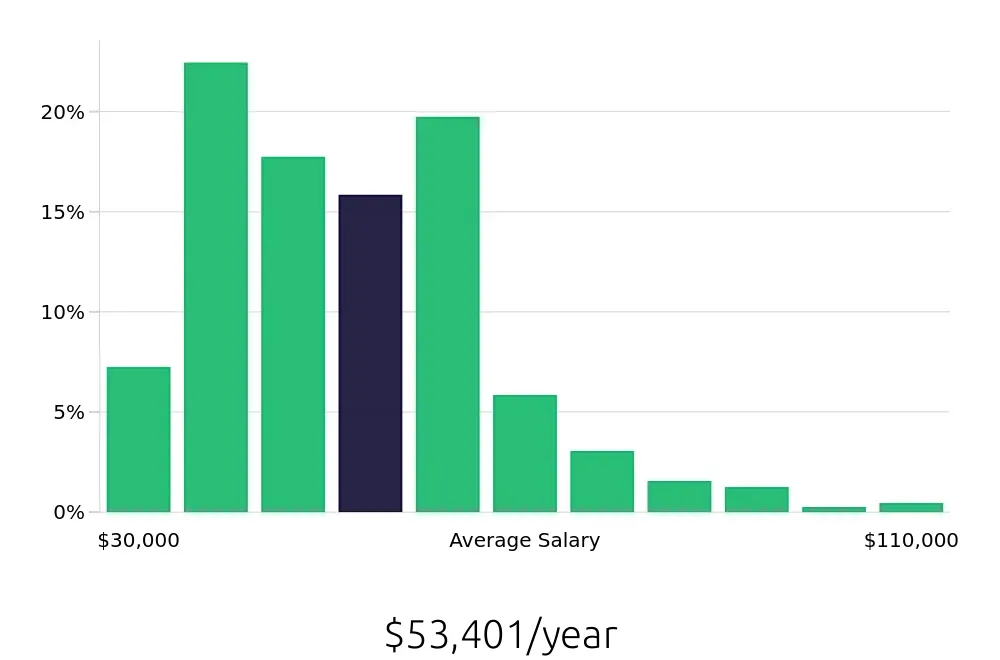
Apart from a favorable job outlook, Transaction Coordinators enjoy competitive compensation. The BLS reports an average national annual salary of $89,130 and an hourly wage of $42.85. These figures make the role attractive for those seeking a stable and rewarding career in real estate. For more details, visit the BLS occupational outlook page.
Currently 111 Transaction Coordinator job openings, nationwide.
Continue to Salaries for Transaction Coordinator