What does a Underwriter do?
An underwriter evaluates the risk of insurance applicants. This role involves reviewing applications, assessing potential risks, and deciding whether to provide coverage. Underwriters examine data such as financial information, medical records, and personal history. They use this data to calculate the likelihood of a claim. This ensures that the insurance company can set fair premiums. A successful underwriter must be detail-oriented and able to make informed decisions quickly.
Responsibilities of an underwriter include analyzing applications, conducting research, and communicating with clients. They may also review contracts and negotiate terms. Underwriters need to stay updated on market trends and changes in regulations. Strong analytical skills and good communication are essential. This role requires attention to detail and the ability to make accurate assessments. An underwriter plays a crucial part in maintaining the financial health of an insurance company.
How to become a Underwriter?
Becoming an underwriter can be a rewarding career choice. Underwriters assess risk and help companies decide whether to offer insurance or other financial products. They also determine the terms of the coverage. Here is a clear path to start this career.
Following these steps will help anyone turn their interest into a successful career. Let's look at the essential steps to become an underwriter.
- Get a Bachelor's Degree: Start with a bachelor’s degree in a related field. Popular choices include finance, business, economics, or insurance. This education builds a strong foundation in risk assessment and financial principles.
- Gain Work Experience: Many underwriters need experience in the industry. Look for jobs that involve risk assessment, data analysis, or financial services. Internships or entry-level positions are great starting points.
- Earn Certifications: Certifications can make a resume stand out. Consider getting certifications such as Associate in Risk Management (ARM) or Chartered Enterprise Risk Analyst (CERA). These credentials show a deep understanding of risk management.
- Develop Key Skills: Underwriters need strong analytical skills and attention to detail. Also, good communication and problem-solving skills are important. These skills help underwriters make informed decisions about risks.
- Apply for Underwriter Positions: Once qualified, apply for underwriter jobs. Tailor the resume to highlight relevant experience and skills. Networking with industry professionals can also help in finding job openings.
How long does it take to become a Underwriter?
The journey to becoming an underwriter involves a mix of education, experience, and professional certification. Most entry-level positions require at least a bachelor’s degree in business, finance, or a related field. This degree usually takes about four years to complete. After earning a degree, individuals can start as assistant underwriters or in similar roles. Gaining experience in this position typically takes another one to three years. This time allows individuals to learn about risk assessment and develop skills needed for more advanced roles.
To advance, underwriters often need to earn professional certifications. The American Institute for Chartered Property Casualty Underwriters (CPCU) offers relevant certifications. Preparing for and passing these exams adds another one to two years to the timeline. CPCU certification can enhance career prospects and open up opportunities for higher positions within the industry. With dedication and the right steps, a professional can become a fully qualified underwriter in about five to seven years from the start of their education.
Underwriter Job Description Sample
We are seeking a skilled and experienced Underwriter to join our team. The Underwriter will be responsible for evaluating, analyzing, and managing insurance risks, as well as ensuring that our company remains profitable while maintaining strong relationships with clients.
Responsibilities:
- Evaluate insurance applications and assess the risk factors involved.
- Analyze data to determine the likelihood and potential severity of losses.
- Make informed decisions on the acceptance or rejection of insurance applications.
- Collaborate with sales teams to develop and maintain profitable underwriting policies.
- Review and analyze statistical data, market trends, and loss experience to develop underwriting guidelines.
Qualifications
- Bachelor’s degree in Business, Finance, Economics, or a related field.
- Minimum of 3-5 years of experience in underwriting, preferably in the insurance industry.
- Strong analytical and problem-solving skills.
- Excellent understanding of insurance policies and risk assessment techniques.
- Proficient in using underwriting software and Microsoft Office Suite.
Is becoming a Underwriter a good career path?
Underwriting involves assessing risk and determining if a person or business can get insurance. This job plays a key role in the financial sector. It requires a mix of skills and knowledge. An underwriter will review applications and decide if the risk is worth insuring. They use data and judgment to make informed choices. This position offers stability and good pay. It also allows for career growth and advancement.
Consider the pros and cons of this career path. On the positive side, underwriters often have steady employment. They can work for insurance companies, banks, and other financial firms. The job provides a clear path for advancement. Underwriters can move into roles with more responsibility. They can also specialize in areas like property, life, or health insurance. On the downside, the work can be stressful. Underwriters must make tough decisions and work under pressure. The job can also involve long hours, especially during busy times. It requires attention to detail and a solid understanding of risk factors.
What is the job outlook for a Underwriter?
The job outlook for underwriters appears promising for those entering this field. The Bureau of Labor Statistics (BLS) reports an average of 61,300 job positions available annually. This trend suggests stable growth in the industry, with an expected 8.2% increase in job openings from 2022 to 2032. These figures indicate a favorable environment for job seekers looking to establish their careers in underwriting.
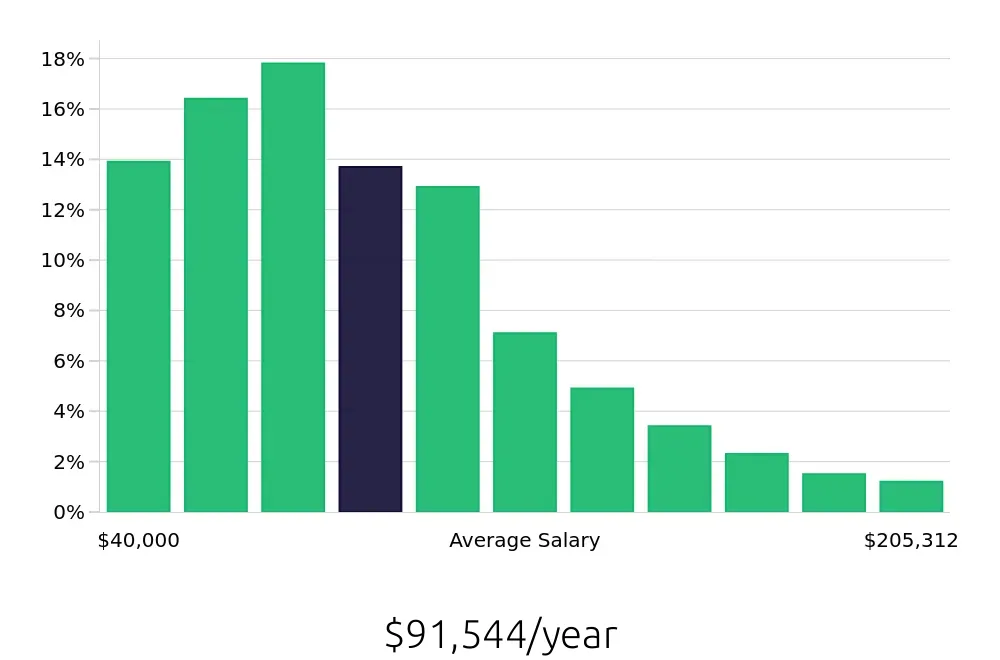
Underwriters play a crucial role in the financial sector by assessing risks and determining insurance coverage. This responsibility makes them valuable assets to companies. The average national annual compensation for underwriters is $123,330, as reported by the BLS. Additionally, the average national hourly compensation stands at $59.29. These figures reflect the importance and value of underwriters in the job market.
For job seekers, these statistics offer a positive outlook. The combination of steady job availability, expected growth, and competitive compensation makes underwriting a lucrative career choice. Aspiring underwriters can look forward to a stable job market with good earning potential. This makes it an attractive field for those with the right skills and qualifications.
Currently 829 Underwriter job openings, nationwide.
Continue to Salaries for Underwriter