What does a Underwriting Consultant do?
An Underwriting Consultant evaluates potential risks for insurance companies. They assess whether to provide coverage and determine the terms. This role involves analyzing data, reviewing policies, and making informed decisions. The consultant works closely with clients to understand their needs. They provide recommendations based on their analysis. A consultant must have a strong understanding of risk assessment and insurance policies.
The Underwriting Consultant also prepares reports and documentation. They communicate findings to managers and clients. This role requires excellent communication and analytical skills. Consultants often work in an office setting. They may travel to meet with clients. This position demands attention to detail and the ability to make complex decisions. It is a key role in the insurance industry, ensuring companies manage their risks effectively.
How to become a Underwriting Consultant?
Becoming an Underwriting Consultant involves several steps. Start by gaining relevant experience and education. Aim for a degree in finance, business, or a related field. Consider taking courses in risk management and insurance. Professional experience in insurance or finance adds value. Building a strong network within the industry can also lead to job opportunities.
Here are five steps to guide you:
- Earn a relevant degree.
- Gain work experience in insurance or finance.
- Consider additional certifications.
- Network with professionals in the industry.
- Apply for Underwriting Consultant positions.
Each step is crucial to building a solid foundation for a career as an Underwriting Consultant. Focus on gaining practical knowledge and experience to stand out in the job market.
How long does it take to become a Underwriting Consultant?
Entering the field of underwriting consultancy presents a rewarding career path. To start, one needs a solid educational foundation. Typically, an undergraduate degree in finance, business, or a related field lays the groundwork. This usually takes about four years to complete.
Next, gaining relevant work experience is crucial. Many professionals spend a few years in roles like insurance agent, claims adjuster, or financial analyst. This experience helps in understanding the industry and its practices. It can take between two to five years, depending on opportunities and career focus. Gaining certifications can also help in this stage. These might include the Associate in Risk Management (ARM) or the Chartered Property Casualty Underwriter (CPCU). Completing these programs adds credibility and can take about one to two years.
Underwriting Consultant Job Description Sample
We are seeking a highly skilled Underwriting Consultant to join our team. The ideal candidate will have strong analytical skills and a deep understanding of risk assessment and insurance products. They will play a critical role in evaluating insurance applications and providing expert advice to clients.
Responsibilities:
- Evaluate insurance applications and assess risk factors.
- Provide expert advice to clients regarding coverage and risk management.
- Review and analyze data to determine insurance needs and pricing.
- Collaborate with underwriters and other stakeholders to develop underwriting strategies.
- Prepare detailed reports and documentation related to insurance policies and claims.
Qualifications
- Bachelor's degree in Finance, Business, or a related field.
- Minimum of 3-5 years of experience in underwriting or a similar role.
- Strong understanding of insurance products and risk assessment.
- Excellent analytical and problem-solving skills.
- Proven ability to work independently and manage multiple tasks.
Is becoming a Underwriting Consultant a good career path?
An Underwriting Consultant examines and evaluates insurance risks for companies. This role requires an understanding of financial products, market conditions, and insurance policies. Professionals in this field assess potential clients to determine the risk involved in insuring them. This work involves analyzing data, preparing reports, and making recommendations. A successful Underwriting Consultant needs strong analytical skills and attention to detail.
The career offers opportunities to work with various clients and industries. This role allows for a diverse workload and the chance to specialize in specific sectors. The job may involve working with clients to tailor insurance products to their needs. Networking with other professionals and staying updated on industry trends is crucial. The position provides a chance to make a direct impact on a company’s financial health.
However, the career also has its challenges. Working as an Underwriting Consultant can be demanding. Long hours and high stress levels are common, especially during busy periods. The job requires constant attention to detail and the ability to handle complex information. There is also the need to keep up with changes in regulations and market conditions. These factors can make the role quite challenging.
The role involves both positive and negative aspects. Weighing these will help in deciding if this career is right for you.
- Pros:
- Variety in work and specialization opportunities.
- Direct impact on a company’s financial health.
- Networking with industry professionals.
- Cons:
- Long hours and high stress levels.
- Constant need for detail and complex analysis.
- Keeping up with regulations and market changes.
What is the job outlook for a Underwriting Consultant?
The job outlook for Underwriting Consultants remains strong, with an average of 61,300 positions opening each year. This trend is expected to continue, with a projected growth rate of 8.2% from 2022 to 2032, according to the Bureau of Labor Statistics (BLS). This steady growth highlights the increasing demand for skilled professionals in the field, offering ample opportunities for career development and advancement.
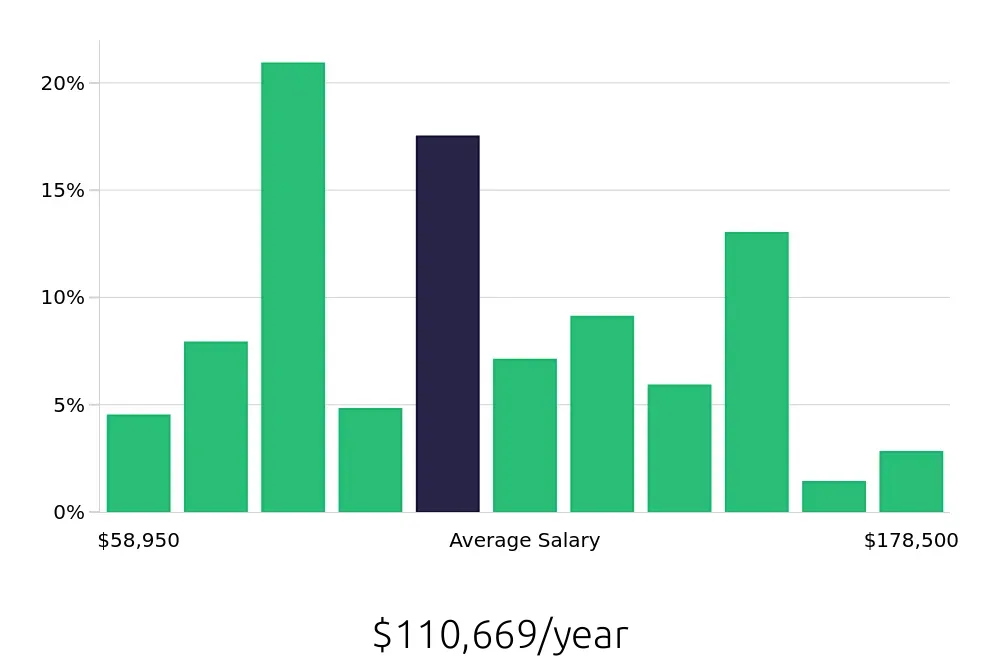
Averaging an annual compensation of $123,330, Underwriting Consultants enjoy a competitive salary. This reflects the importance of their role in evaluating insurance risks and determining policy coverage. Additionally, the average hourly wage stands at $59.29, making this career financially rewarding. Such compensation packages make the role attractive to those entering or transitioning into the field.
Job seekers interested in becoming Underwriting Consultants can look forward to a robust job market and rewarding compensation. With consistent job openings and a positive growth outlook, this career path provides stability and professional growth. The attractive salary further enhances the appeal, making it a smart choice for those seeking a lucrative and secure career.
Currently 31 Underwriting Consultant job openings, nationwide.
Continue to Salaries for Underwriting Consultant