How much does a Wildlife Technician make?
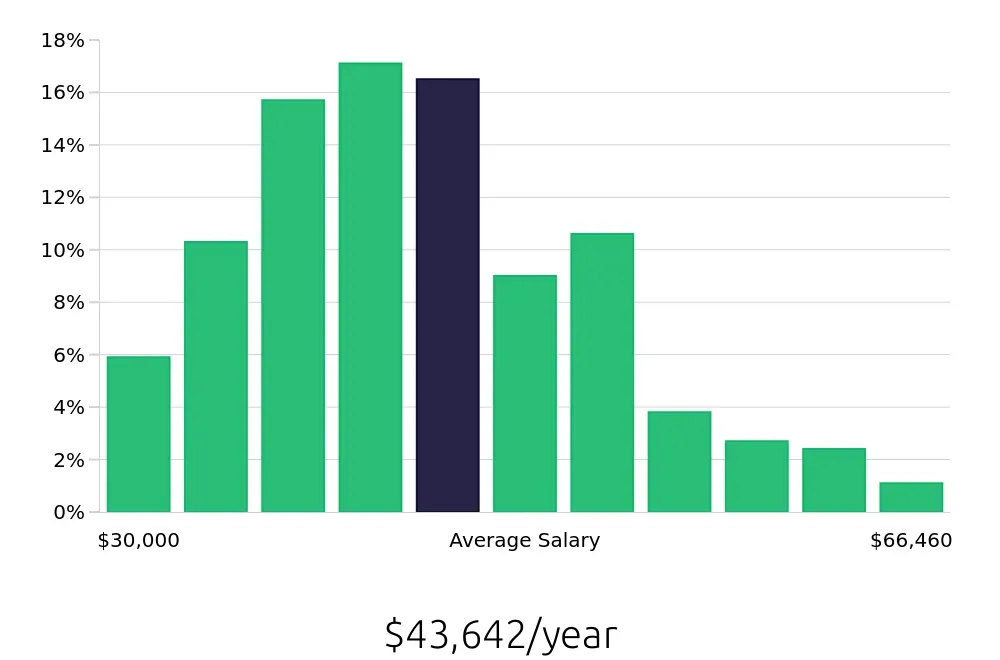
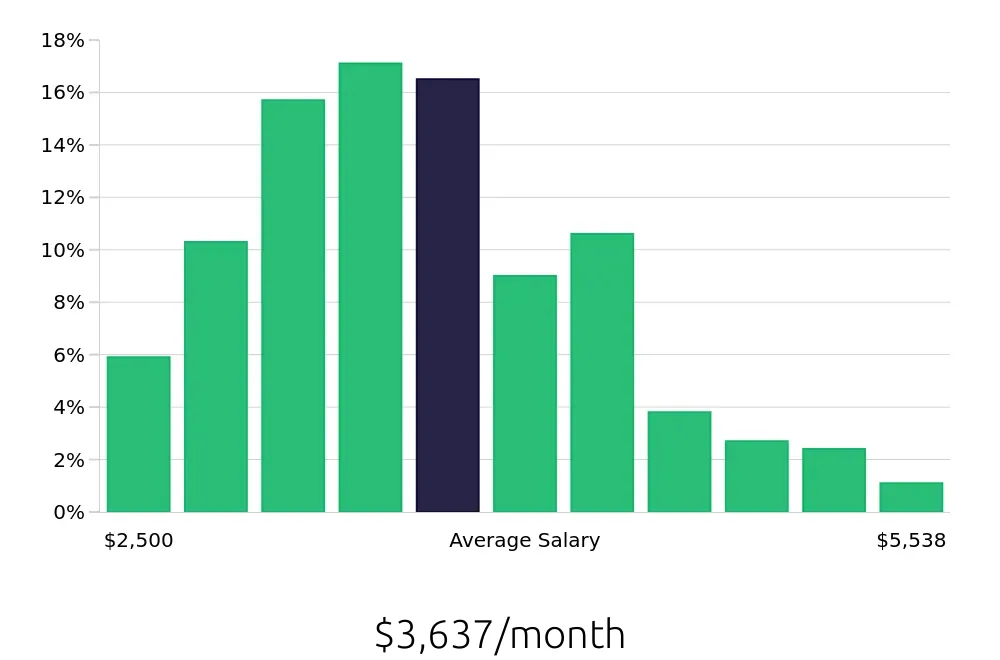
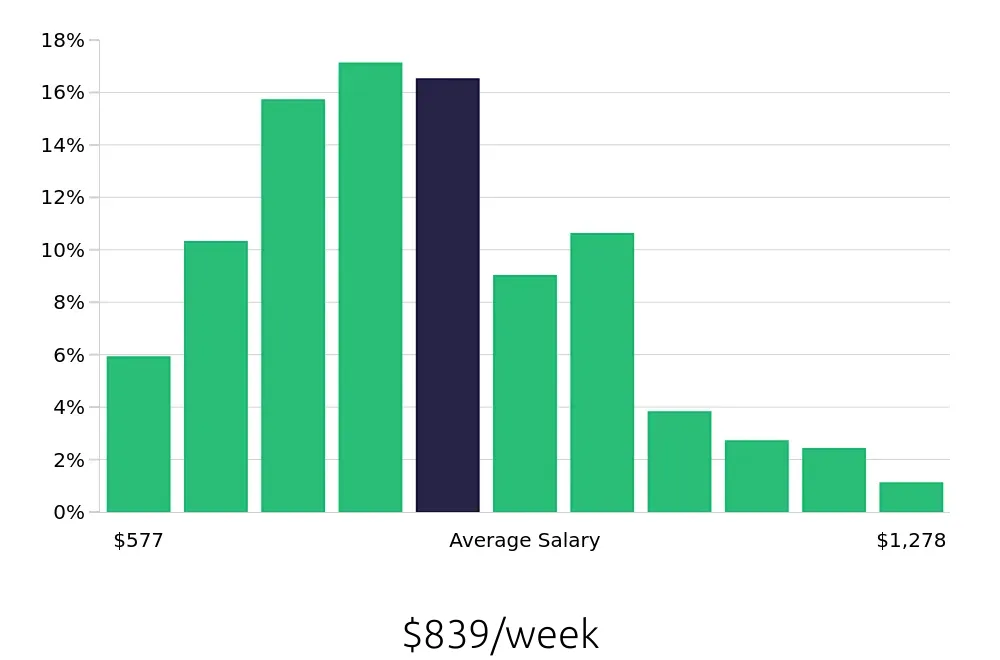
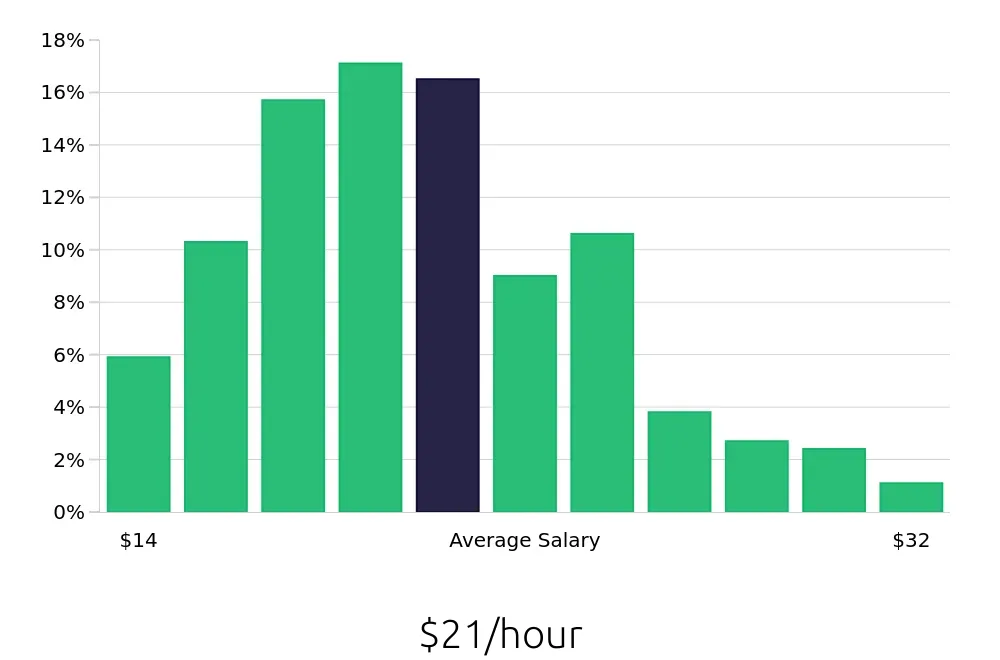
Wildlife Technicians work in the field, observing and protecting wildlife. These professionals play an important role in conservation efforts. They can expect to earn an average yearly salary of $43,642. This career offers a mix of outdoor work and data collection, which can be very rewarding.
The salary for Wildlife Technicians can vary based on experience and location. The lowest earners make around $30,000, while top earners can reach up to $66,460. Many technicians start in the mid-range, earning between $33,000 and $46,000. This range shows good growth potential with experience and advanced skills. Job seekers should consider both the average salary and the possible growth in their career planning.
What are the highest paying cities for a Wildlife Technician?
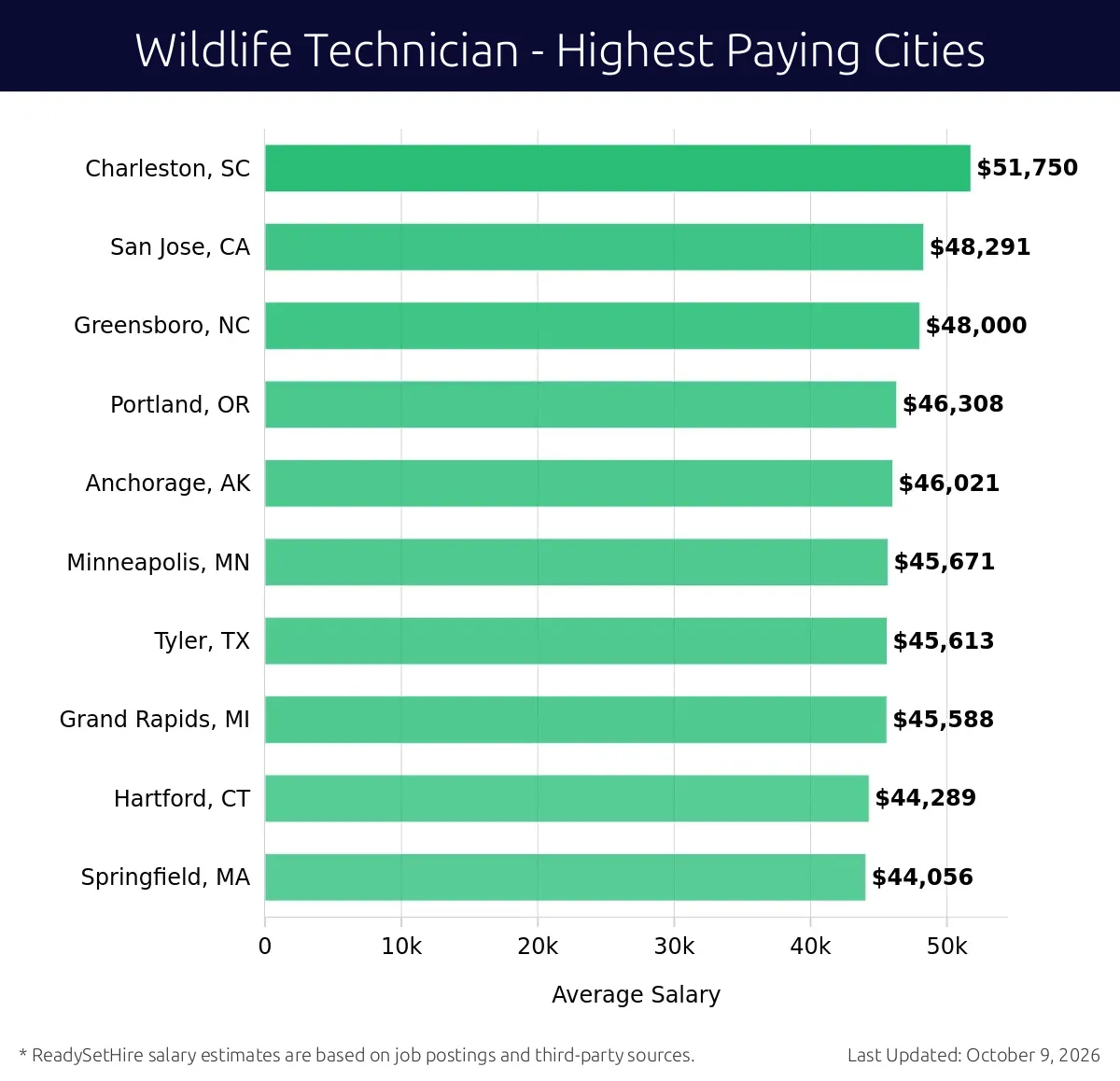
-
Charleston, SC
Average Salary: $51,750
In Charleston, professionals can find work with state wildlife agencies and environmental nonprofits. They often collaborate on projects in coastal and wetland areas, contributing to conservation efforts.
Find Wildlife Technician jobs in Charleston, SC
-
San Jose, CA
Average Salary: $48,291
San Jose offers exciting opportunities in wildlife research and habitat restoration. Companies like the Santa Clara Valley Habitat Agency provide varied roles. Employees gain experience in urban wildlife management.
Find Wildlife Technician jobs in San Jose, CA
-
Greensboro, NC
Average Salary: $48,000
Greensboro's role in wildlife research includes work for local universities and conservation groups. Technicians support projects that aim to preserve the state's diverse ecosystems. Opportunities for fieldwork are abundant.
Find Wildlife Technician jobs in Greensboro, NC
-
Portland, OR
Average Salary: $46,308
Portland is a hub for eco-conscious companies and conservation projects. Wildlife Technicians here often engage in fieldwork and data collection, supporting both urban and rural wildlife management.
Find Wildlife Technician jobs in Portland, OR
-
Anchorage, AK
Average Salary: $46,021
In Anchorage, working in wildlife is a unique experience. Professionals often deal with diverse species in rugged terrains. They work for state wildlife departments and national parks, gaining hands-on experience in varied environments.
Find Wildlife Technician jobs in Anchorage, AK
-
Minneapolis, MN
Average Salary: $45,671
Minneapolis offers roles that focus on wetland and forest conservation. Technicians work with both state agencies and private organizations, gaining skills in ecological research and habitat management.
Find Wildlife Technician jobs in Minneapolis, MN
-
Tyler, TX
Average Salary: $45,613
Tyler's role in wildlife management includes projects in both rural and suburban areas. Technicians often assist in data collection and habitat restoration, supporting local conservation efforts.
Find Wildlife Technician jobs in Tyler, TX
-
Grand Rapids, MI
Average Salary: $45,588
In Grand Rapids, professionals engage in aquatic and terrestrial wildlife management. They support projects for local conservation groups and state agencies, gaining experience in a variety of ecosystems.
Find Wildlife Technician jobs in Grand Rapids, MI
-
Hartford, CT
Average Salary: $44,289
Hartford offers opportunities to work with state wildlife agencies and environmental nonprofits. Technicians contribute to projects that focus on biodiversity and habitat conservation in the state's varied landscapes.
Find Wildlife Technician jobs in Hartford, CT
-
Springfield, MA
Average Salary: $44,056
Springfield provides roles that involve wildlife research and habitat management. Technicians often work with state agencies and local universities, gaining valuable experience in ecological conservation.
Find Wildlife Technician jobs in Springfield, MA
What are the best companies a Wildlife Technician can work for?
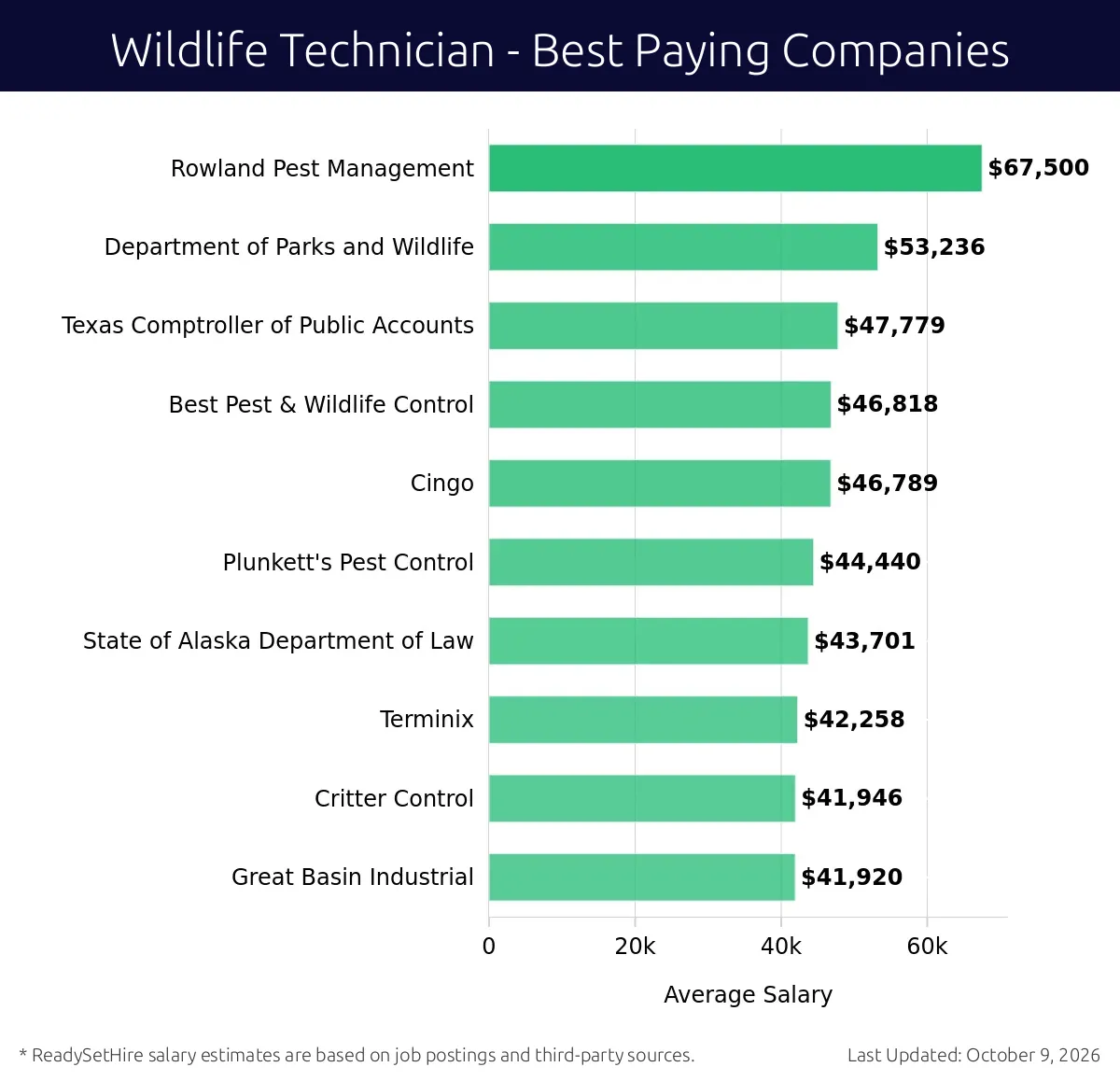
-
Rowland Pest Management
Average Salary: $67,500
Rowland Pest Management offers exciting opportunities for Wildlife Technicians. They work to maintain safe environments and manage wildlife around the community. Rowland Pest Management operates across several states, providing diverse field experiences.
-
Department of Parks and Wildlife
Average Salary: $53,236
The Department of Parks and Wildlife provides rewarding roles for Wildlife Technicians. They focus on protecting and managing wildlife habitats. The department operates in various locations, offering opportunities to work in different natural environments.
-
Texas Comptroller of Public Accounts
Average Salary: $47,779
At the Texas Comptroller of Public Accounts, Wildlife Technicians play a key role in managing wildlife programs. They ensure compliance and oversee projects. This company operates throughout Texas, providing a stable work environment.
-
Best Pest & Wildlife Control
Average Salary: $46,818
Best Pest & Wildlife Control hires Wildlife Technicians to handle pest and wildlife management. They offer hands-on experience with field work. The company serves multiple regions, allowing for varied experiences.
-
Cingo
Average Salary: $46,789
Cingo employs Wildlife Technicians to work on wildlife control and management projects. They focus on protecting property and ensuring safety. Cingo operates nationally, giving access to diverse wildlife environments.
-
Plunkett's Pest Control
Average Salary: $44,440
Plunkett's Pest Control offers roles for Wildlife Technicians focused on wildlife and pest control. They work to maintain safe living environments. The company serves various regions, providing multiple field work opportunities.
-
State of Alaska Department of Law
Average Salary: $43,701
The State of Alaska Department of Law employs Wildlife Technicians to manage wildlife protection programs. They work to ensure legal compliance and wildlife safety. This department operates across Alaska, offering unique wildlife experiences.
-
Terminix
Average Salary: $42,258
Terminix offers positions for Wildlife Technicians focusing on wildlife and pest management. They work to protect property and public health. The company operates across the country, providing diverse work environments.
-
Critter Control
Average Salary: $41,946
Critter Control provides opportunities for Wildlife Technicians to handle wildlife control and prevention. They focus on ensuring safe environments. The company operates nationally, offering varied wildlife experiences.
-
Great Basin Industrial
Average Salary: $41,920
Great Basin Industrial hires Wildlife Technicians to manage wildlife programs and ensure safety. They work to control wildlife populations. The company operates in multiple states, providing diverse field experiences.
How to earn more as a Wildlife Technician?
Wildlife Technicians play a key role in conservation efforts and research. They work in various environments, often in the great outdoors. If you aim to earn more in this field, consider these steps.
First, gaining specialized skills can lead to higher pay. Focus on areas such as data analysis, wildlife management, or GIS mapping. These skills make you more valuable to employers. Second, obtaining additional certifications can boost your earnings. Certifications in areas like wildlife biology or environmental science can set you apart.
Advancement in your career also plays a role. Taking on leadership roles or project management can lead to higher salaries. Networking with professionals in the field can open doors to better opportunities. Lastly, consider seeking positions with government agencies or larger non-profits. These organizations often offer competitive salaries and benefits.
Keep in mind that experience matters. The more projects you complete and the more you learn, the more you can earn. Stay updated with the latest trends and technologies in wildlife conservation to remain competitive.
Here are five factors to help increase your earnings:
- Specialize in high-demand skills
- Obtain additional certifications
- Take on leadership roles
- Network with industry professionals
- Seek positions with higher-paying organizations