What does a Host/Hostess do?
A Host or Hostess works at hospitality venues like restaurants, hotels, or event spaces. This person greets guests, helps them feel welcome, and guides them to their seats. They ensure guests have everything they need during their visit.
Responsibilities include managing reservations, ensuring a clean and welcoming environment, and sometimes taking food orders or serving drinks. The Host or Hostess often serves as the first point of contact for guests. They need to be friendly, professional, and capable of handling any guest inquiries or complaints with care. This role requires excellent communication skills and a positive attitude.
How to become a Host/Hostess?
Becoming a host or hostess is an excellent career choice for those who enjoy working in a fast-paced environment and interacting with people. This role requires a blend of customer service skills, attention to detail, and the ability to work well under pressure. Follow these steps to pursue a successful career as a host or hostess.
The journey to becoming a host or hostess begins with understanding the role and preparing for it. First, research different types of establishments, such as restaurants, hotels, and event venues, to see where you might fit best. Second, develop strong communication skills, which are crucial for greeting guests, answering questions, and resolving any issues that arise. Third, practice patience and a positive attitude, as you will often deal with long lines and difficult customers. Fourth, ensure you have a clean and professional appearance, as hosts and hostesses set the tone for the guest experience. Lastly, gain experience through internships or entry-level positions to build your resume and improve your chances of landing a job.
To excel as a host or hostess, consider the following tips. First, learn the establishment's reservation system and how to manage seating efficiently. Second, take the time to memorize the menu, so you can recommend dishes to guests. Third, keep a friendly and welcoming demeanor, making every guest feel valued. Fourth, work well with the team, including kitchen staff and servers, to ensure smooth operations. Lastly, stay organized by keeping track of reservations, updates, and any special requests from guests. By following these steps, one can successfully embark on a rewarding career as a host or hostess.
How long does it take to become a Host/Hostess?
Working as a host or hostess involves greeting guests, seating them, and sometimes taking their drink orders. This role often requires excellent customer service skills and a friendly demeanor. The time it takes to become a host or hostess varies. Many entry-level positions do not need prior experience. Some people learn the job quickly, while others may take longer to become comfortable.
Training programs for hosts and hostesses usually last a few weeks. Some restaurants offer on-the-job training. This can take place during work hours. Employees learn the specific procedures of their workplace. They practice greeting guests and handling different situations. The experience gained from actual work helps new hosts and hostesses learn faster. The support from experienced staff also aids in their learning process. Some restaurants may have more structured training programs. These programs teach specific skills and company policies. Such training can make the learning curve smoother and quicker.
Host/Hostess Job Description Sample
The Host/Hostess is responsible for providing excellent customer service by greeting guests warmly, ensuring their comfort, and maintaining a welcoming atmosphere throughout the establishment. This role involves coordinating seating arrangements, taking reservations, and addressing any guest inquiries or concerns promptly.
Responsibilities:
- Greet guests warmly and professionally upon arrival, and escort them to their tables.
- Maintain a clean and welcoming dining area, ensuring tables are prepared and clean before guests arrive.
- Coordinate seating arrangements efficiently, accommodating group sizes and special requests.
- Take reservations in advance and manage seating schedules to ensure optimal table turnover.
- Assist guests with special needs or requests, ensuring their dining experience is enjoyable.
Qualifications
- Previous experience in a hospitality or customer service role is preferred.
- Excellent communication and interpersonal skills, with a friendly and approachable demeanor.
- Ability to work well under pressure and handle multiple tasks simultaneously.
- Strong attention to detail and a customer-focused mindset.
- Knowledge of basic food and beverage service procedures is a plus.
Is becoming a Host/Hostess a good career path?
Working as a Host/Hostess offers a dynamic and engaging role in the hospitality industry. This position provides the chance to interact with a diverse range of guests, ensuring they have a pleasant experience. Hosts/Hostesses greet guests, assist with seating, and sometimes help with basic inquiries. This job often takes place in restaurants, hotels, or event venues.
The role comes with its own set of pros and cons. On the positive side, it allows for flexible scheduling, which can be ideal for those who need to balance work with other commitments. The job often includes tips, which can make the pay more attractive. Plus, working with people can be rewarding for those who enjoy social interactions.
- Pros:
- Flexible scheduling
- Opportunity for tips
- Social interactions
- Entry-level position with potential for advancement
- Cons:
- Potential for long hours, including evenings and weekends
- Standing for long periods can be tiring
- May face demanding or difficult guests
- Limited opportunities for career growth without additional training
What is the job outlook for a Host/Hostess?
The job outlook for Hosts and Hostesses shows steady demand in the coming years. The Bureau of Labor Statistics (BLS) reports around 104,200 positions open annually. This offers a reliable opportunity for those seeking work in this field. The job openings are expected to increase by just 0.5% from 2022 to 2032, indicating a stable job market.
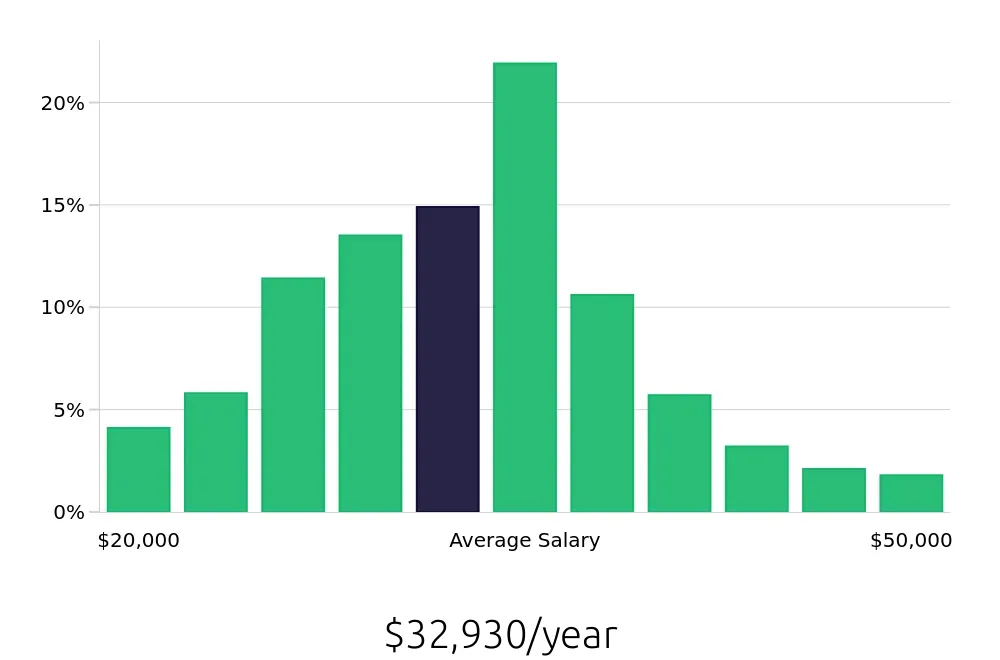
Prospective job seekers should be aware that while the job outlook remains positive, competition can be strong. Each year, many positions become available, and the average national annual compensation stands at $30,750, according to the BLS. This salary is competitive for entry-level roles, making it an attractive choice for many. The average hourly wage is $14.78, which offers decent earning potential.
For those looking to enter this field, the job outlook presents a positive environment. With many positions available each year and a relatively stable job growth rate, it offers a solid career path. While the compensation is modest, it is suitable for individuals starting their careers, providing a good base for future growth and development.
Currently 638 Host/Hostess job openings, nationwide.
Continue to Salaries for Host/Hostess